OriginFrom the Nile to the curry mix
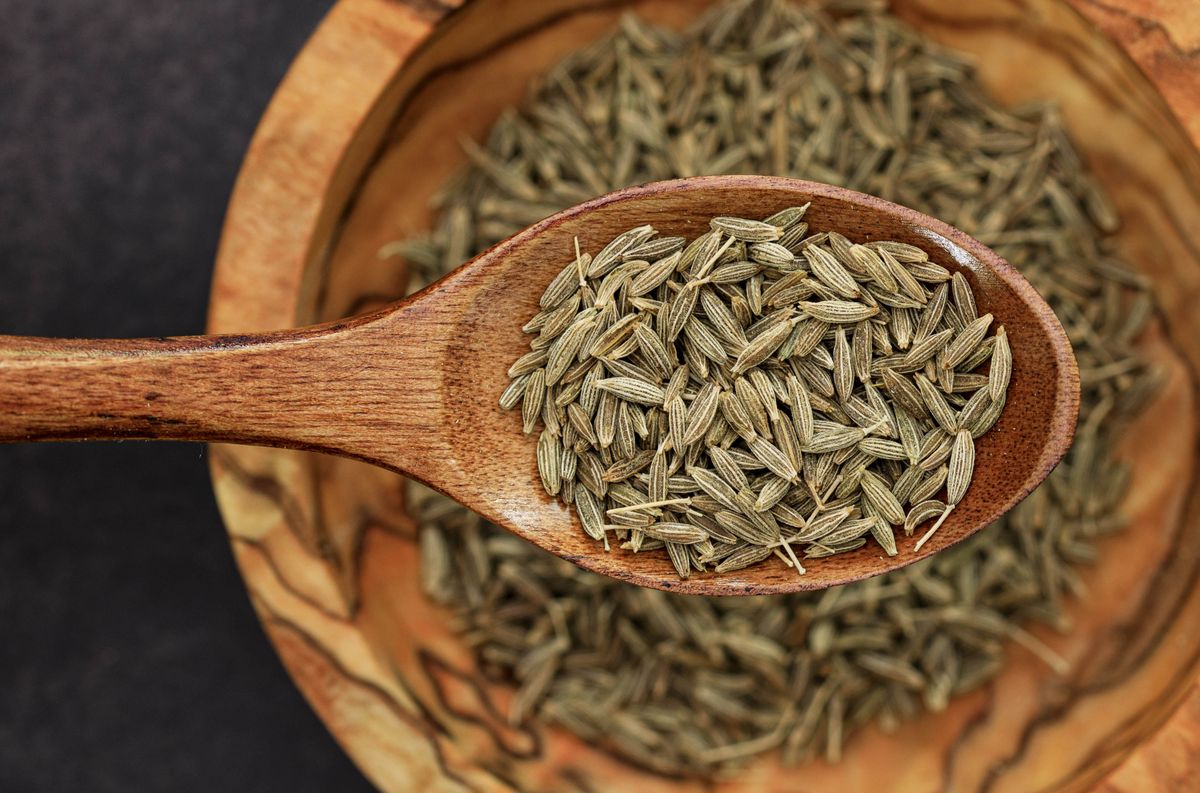
Cumin is one of the oldest spices we know - and one of the few that has never gone out of style.
The plant originates from the eastern Mediterranean and Western Asia. The ancient Egyptians placed cumin in tombs, the Romans used it as naturally as we use pepper, and it is mentioned as a trade good in the Old Testament. It spread along trade routes to India, North Africa, and with the Spanish as far as Mexico – which is why chili con carne tastes of the same spice as a dal from northern India.
Today, the majority of the world's harvest comes from India; other growing countries include Iran, Syria, Turkey, and China. The plant only grows to about 30 to 50 centimeters tall, needs a long, warm summer, and produces small, oblong schizocarps – what you'd call "seeds" in the spice aisle.
To useWhat cumin does for you
His reputation rests on one thing: the belly. Traditionally, cumin is used to relieve bloating, gas, and cramps – either as a spice in food or as a tea afterward. Its essential oil stimulates the production of digestive juices and relaxes the intestinal muscles; this is precisely why it's found in almost every kitchen that uses legumes.
In addition, there's something you wouldn't guess from looking at the tiny seed: it's one of the richest sources of iron. While a serving of cumin spice doesn't replace a regular iron source, those who cook with cumin daily ingest more iron than they might think.
Small studies have also found evidence of beneficial effects on blood lipids and weight – mostly with ground cumin in yogurt over several weeks. These are Clues, not proofThe studies were small and short. Frankly, the reason that everyone has known for millennia is sufficient for us: Food lies more easily.
IngredientsThat's what's in the seed
Cuminaldehyd This is the substance you smell – it makes up 20 to 40 percent of the essential oil and is responsible for the typical, slightly sweaty scent, which becomes nutty when roasted. In addition, there are... γ-Terpinene, p-cymene and β-pinene, which round off the flavor and are considered to relieve cramps.
Besides the oil: around 10 percent fiber, about 18 percent protein, iron, manganese, calcium and magnesium – plus flavonoids like apigenin and luteolin, which act as antioxidants. All in quantities that are considerable for a spice, but only make a contribution to a meal.
Enhanced combinationsWhat makes cumin stronger
Cumin is a team player. On its own, it's heavy, but with the right partners it becomes well-rounded – and some partners measurably enhance its effect.
The basis of almost every curry blend. Coriander takes the edge off the cumin, turmeric brings color and bitter notes – together the most complete „digestive spice“ in the world.
Piperine from pepper increases the absorption of many plant compounds from the intestines – well-documented for curcumin, and plausible for the components of cumin. Always add both to the oil together.
Three umbellifers, three antispasmodic oils. As a tea after meals, it's the most powerful combination against bloating that herbal medicine knows.
Ginger adds spiciness and stimulates stomach movement, cumin relaxes the intestines - together they form the basis of many Ayurvedic mixtures for sluggish metabolism.
The active ingredients are fat-soluble. Sauté whole seeds in hot oil or ghee for 30 seconds – only then will the aroma and oil truly infuse the food. Add ground cumin only at the very end, otherwise it will become bitter.
Acidity enhances the earthy notes and makes the taste fresh. That's precisely why raita, hummus, and tzatziki work.
What contradicts itselfIt's best to avoid these combinations.
Delicate, green herbs get lost in the mix. Cumin is loud – next to it, only the green of the basil remains.
Two dominant, similarly earthy flavors in one pot result in mush instead of depth. It's one or the other. (And don't mix them up when shopping.)
Sweet, warm desserts can handle cardamom or cinnamon - cumin is like sweat in a cake.
Trout, sole, scallops: too delicate. It works again with more robust fish (mackerel, tuna steak).
Ground cumin burns in hot oil within seconds and becomes bitter. Roast whole seeds, and ground cumin only at the end.
As a spice, it's fine. However, tea treatments, capsules, or oil can intensify the effects of diabetes medications and blood thinners – check beforehand.
To which courtWhere he belongs
- Lentil DalRoast whole seeds in ghee, then add onion and lentils - this will eliminate half of the bloating.
- Hummus & FalafelGround, ½ tsp per can of chickpeas. Without it, hummus tastes like mashed chickpeas.
- Chili con CarneFry 1 teaspoon of ground [something] with the ground meat - that's the sound you know from Texas.
- Tacos & BeansWith smoked paprika and lime. Mexico without cumin is unthinkable.
- Oven-roasted vegetablesCarrots, sweet potato, cauliflower: with oil, cumin and salt, 30 minutes at 200 °C.
- Couscous & TagineWith cinnamon, coriander and turmeric - the basic North African spice blend.
- lambRub in dry before frying. No spice goes better with robust meat.
- Raita & Yogurt DipRoasted and coarsely ground over yogurt with cucumber - cools curries and spicy dishes.
- riceSautéing a few whole seeds with the rice (Jeera Rice) - it smells fragrant without being overpowering.
- Bread & CheeseIt is known in flatbread or in Gouda cheese in the Netherlands and North Africa.
As a home remedyCumin tea after meals
Jeera Water
- Roast 1 teaspoon of whole seeds in a dry pan for 1 minute, until fragrant.
- Press down lightly, then pour over 250 ml of boiling water.
- Let it steep, covered, for 10 minutes, then strain.
- Drink warm after a heavy meal. Add fennel or ginger to taste.
Feelings of fullness, bloating, the sensation that the food has "sat" down. In India, it's the drink that's on the table after the meal – for centuries, without any scientific study.
One to two cups a day is a typical amount for a kitchen. More doesn't provide any additional benefit – and it only becomes relevant when taking blood sugar medication (see warnings).
Ayurveda & TCMWhat the old systems say
Ayurveda
As Jeeraka one of the most important spices of all: It nourishes Agni, the „digestive fire“, without heating, and is considered balancing for all three doshas - therefore it is in almost every churna mixture (for example with coriander and fennel as CCF tea).
Traditional Chinese Medicine
Not part of the classic pharmacopoeia. Cumin (ZīránIt's a Western culinary spice in China – Xinjiang, lamb skewers – not a medicine. It's more honest to say so than to invent something.
Warning noticesWhen you should be careful
Please note
- Diabetes: Cumin can lower blood sugar in larger quantities. Those taking medication for this should stick to kitchen amounts and discuss any tea regimens with their doctor.
- Blood clotting: There is evidence of a mild anticoagulant effect - avoid high doses before surgery and when taking blood thinners.
- Allergy to umbellifers: People who react to celery, carrot, fennel or mugwort may also react to cumin.
- Pregnancy: Safe in food; avoid concentrated amounts (oil, capsules, liters of tea).
- Essential oil: Never apply undiluted to the skin, as it can cause photosensitivity.
This page provides information and does not replace medical advice. If symptoms persist, please consult a doctor.
Related to the topicRead on and cook along!
ArchiveturmericColor, bitter substances and the most well-known active ingredient in spice cuisine.
ArchivefennelThe second umbellifer in the tea against flatulence.
Our shopBlack pepper, wholeFor the recording - always put them together in the oil.
Our shopGround turmericTo complete the trio.
Our shopground gingerWarmth and movement for the stomach.
Shop links lead to our product pages; it is indicated there if a partner is involved.
SourcesWhat is this based on?
- USDA FoodData Central: Spices, cumin seed - Nutritional values, iron 66.4 mg/100 g.
- Srinivasan K. Cumin (Cuminum cyminum) and black cumin (Nigella sativa) seeds: traditional uses, chemical constituents, and nutraceutical effects. Food Quality and Safety 2018; 2(1): 1–16.
- Mnif S, Aifa S. Cumin (Cuminum cyminum L.) from traditional uses to potential biomedical applications. Chemistry & Biodiversity 2015; 12(5): 733–742.
- Zare R et al. Effect of cumin powder on body composition and lipid profile in overweight and obese women. Complementary Therapies in Clinical Practice 2014; 20(4): 297–301 - small study, 8 weeks.
- Shoba G et al. Influence of piperine on the pharmacokinetics of curcumin. Planta Medica 1998; 64(4): 353–356 - Pepper and absorption.