← Back to overview Treatment of disease types
Naturally supporting menopause and hormonal changes
During menopause, estrogen levels drop, which can trigger symptoms such as hot flashes, sleep problems, or mood swings. Nutrition can support this transition – however, the scientific evaluation of individual approaches like soy needs to be considered in a nuanced way, and we deliberately present it here as it is: with both its advantages and disadvantages.

🌸 How your hormonal system changes during menopause
For decades, the ovaries produce estrogen and progesterone in a monthly cycle, regulated by a feedback loop with the hypothalamus and pituitary gland in the brain. During menopause, the egg reserve declines, and the ovaries respond increasingly irregularly to the controlling hormonal signals – estrogen production initially fluctuates significantly before dropping considerably overall.
Because estrogen acts in many places in the body – including blood vessels, bones, skin and in the brain itself on temperature regulation in the hypothalamus – the typical symptoms are correspondingly wide-ranging: hot flashes occur because the hormonally imbalanced temperature center reacts more narrowly, mood swings are related to estrogen's influence on serotonin, and the decreasing bone density results from the loss of the bone-protecting effect of estrogen.
Some plant substances can bind to the same receptors as estrogen and gently buffer the transition – more on this in the next section on phytoestrogens.
Phytoestrogens – plant compounds similar to estrogen
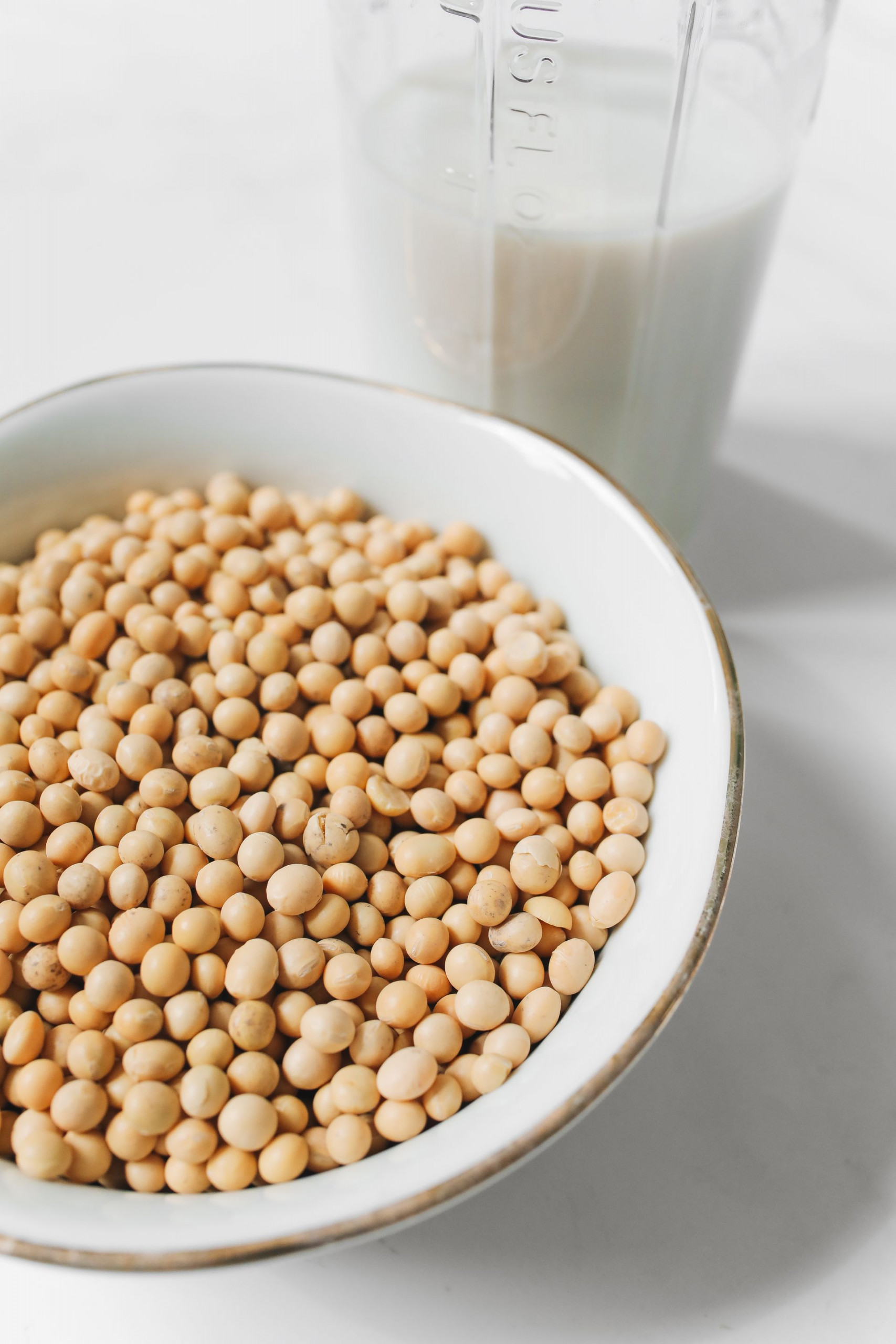
Phytoestrogens, such as isoflavones from soy, are plant-based substances that are structurally similar to the body's own estrogen and can interact with estrogen receptors under certain conditions. They are found in soybeans, lentils, chickpeas, and flaxseeds, among other foods.
What the research really shows
The assessment has changed over the years: While earlier position papers from the North American Menopause Society (NAMS) cautiously viewed soy isoflavones positively for hot flashes, the current NAMS position from 2023 classifies soy foods and extracts as "not recommended" for hot flashes – despite an overall inconsistent body of research. Nevertheless, a slight positive trend in individual studies cannot be entirely dismissed.
If anything: of course, rather than isolated
Expert websites recommend consuming phytoestrogens as part of a wholesome, plant-based diet rather than in isolation as a high-dose extract – this way they are automatically ingested along with other important nutrients. In Asia, the daily intake through diet is around 15–50 mg, while in Europe and the USA it is significantly lower, at about 2 mg.
The whole plate counts
In addition to soy and legumes, a calcium-rich diet (green leafy vegetables, almonds), sufficient vitamin D and regular exercise are considered supporting building blocks for bone and hormone health in this phase of life.
Suitable herbs in the Botanical Archive
This information is for general guidance only and does not replace gynecological or endocrinological advice. The scientific evaluation of phytoestrogens is not yet fully established and has changed several times in recent years. If you experience severe symptoms or before taking high-dose supplements, please consult your doctor.