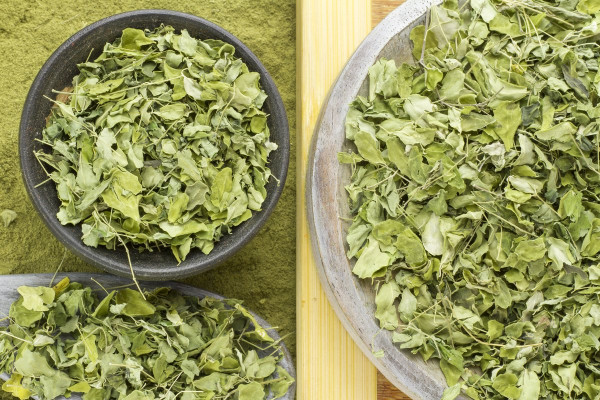
Whole shells, unsulphured.
Rosehip tea
Available at teetopfTea tradefrom Limbach-Oberfrohna in Saxony
Buy directlywith the partner, without detours
Independentno pharmaceutical company
What tradition tells us about the rosehip
Thousand-Year Rose
A dog rose, considered the oldest rosebush in the world, climbs the side of Hildesheim Cathedral. Legend traces its origins back to Louis the Pious in 815.
After the frost
An old collector's rule says: Butternut squash taste milder only after the first frost. Children know their hairy kernels as itching powder.
The ritual
In Franconia, rosehip pulp is cooked and used to fill doughnuts; in Sweden, rosehip soup is made. In winter, the dried peels are brewed as tea.
The profile in the Botanical Archive: benefits, ingredients, home remedies, Ayurveda & TCM and all sources.
What rosehips were used for in folk medicine: in the Botanical Archive →Rosehips of the wild rose, fruity and sour in taste.
At a glance
- Plant: Rosa canina (dog rose, wild rose), a member of the rose family
- Part used: the false fruits (rose hips), mostly without the inner seeds and hairs
- Origin: Grows wild throughout Europe, also traded from Southeast Europe and Chile
- Quality feature: A vibrant red-orange color and a fruity-sour taste indicate fresh, gently dried produce.
- Tradition: Traditionally processed into tea, puree and syrup in Northern and Eastern Europe, also known as a source of vitamin C in times of scarcity.
Traditional: Rosehips are the winter tea of Northern and Eastern Europe: fruity, tart, and a vibrant red. In the past, they were harvested in autumn, dried, and preserved as tea, jam, and syrup over the winter.
Folk medicine, tradition, research
What rosehips have stood for in winter for generations, how much vitamin C they really contain, and what research says about it.
What's inside
Vitamin C, which is sensitive to light and heat, some of which is lost during drying and brewing, plus fruit acids, pectins and carotenoids, which provide the vibrant color.
How it is prepared
Pour 150 ml of boiling water over 2 to 3 teaspoons of rosehip shells and let it steep, covered, for 10 to 15 minutes. Rosehip tea takes longer than other flower teas for the color and aroma to fully develop.
Good to know
- The fine hairs inside the fruit are a skin irritant; therefore, commercially available rosehips are usually deseeded and stemmed. If you collect rosehips yourself, remove these carefully.
- The sour taste can be unpleasant for people with sensitive stomachs or reflux.
- Not for pets: see our pet health section
As always, herbal tea is a beverage to be enjoyed, not a substitute for good food or medical advice. If you are pregnant or breastfeeding, have children, pre-existing medical conditions, or are taking regular medication, it's advisable to consult your doctor.
Available from our partner teetopf
Advertisement · Affiliate link: If you purchase through this link at teetopf.de, we may receive a commission from the provider. This does not change the price for you.
Why this partner
teapot from Saxony
We only recommend manufacturers and distributors that we have reviewed and that do not belong to any pharmaceutical company.
- Tea tradefrom Limbach-Oberfrohna in Saxony
- Owner-managedno corporate structure
- Loose teaslarge selection of herbs and teas
- Buy directlyShipping and invoice from the retailer
Questions
Frequently Asked Questions
Where do I buy Rosehip tea ?
Directly from teetopf. The button above will take you to the partner's product page; shipping and invoicing will be handled by them. The price remains the same for you.
What were rosehips used for in the past?
We explain this in detail in the Botanical Archive: what folk medicine used rosehips for, what research says about them today, and with all the sources. View portrait →
How do you choose your partners?
We check ownership, origin, organic certification, and, where available, laboratory analyses. We do not accept partners belonging to a pharmaceutical company.