
← Back to overview of complaints from A to Z
Naturally combat hair loss
Hair loss has many possible causes – genetic factors, hormonal changes, stress, or nutrient deficiencies. Nutrition can help if a deficiency actually exists – however, general „hair vitamins“ without a proven deficiency are of little use.
🩹 This is how the hair cycle of your scalp works
Each hair goes through its own cycle with three phases: In the anagen phase (growth), the hair actively grows, which can last two to seven years for scalp hair. This is followed by the short catagen phase (transition), in which the follicle regresses, and finally the telogen phase (resting phase), at the end of which the hair falls out and a new one grows in its place. Normally, around 85 to 90 percent of all hairs are in the growth phase at any given time.
In cases of hair loss, this balance shifts: more follicles prematurely enter the resting phase, and the anagen phase shortens. In hereditary hair loss, the hormone DHT (dihydrotestosterone) plays a key role – it binds to sensitive hair follicles, causing them to grow back weaker and shorter with each cycle until they eventually atrophy completely. Iron deficiency, thyroid problems, and chronic stress can also force follicles into the resting phase prematurely.
The next section explains how this process develops over the years and how to recognize the individual stages.
How hair loss develops over the years
Hereditary hair loss usually progresses over years: hair follicles become increasingly sensitive to the hormone DHT, which gradually shortens the hair's growth phase and causes the hair to grow back finer, until some follicles atrophy completely. Diffuse, nutrient-related hair loss, on the other hand, often develops over months of a gradual deficiency – for example, due to chronically low iron levels, severe stress, or unbalanced diets. The earlier the cause is identified, the better it can be treated.
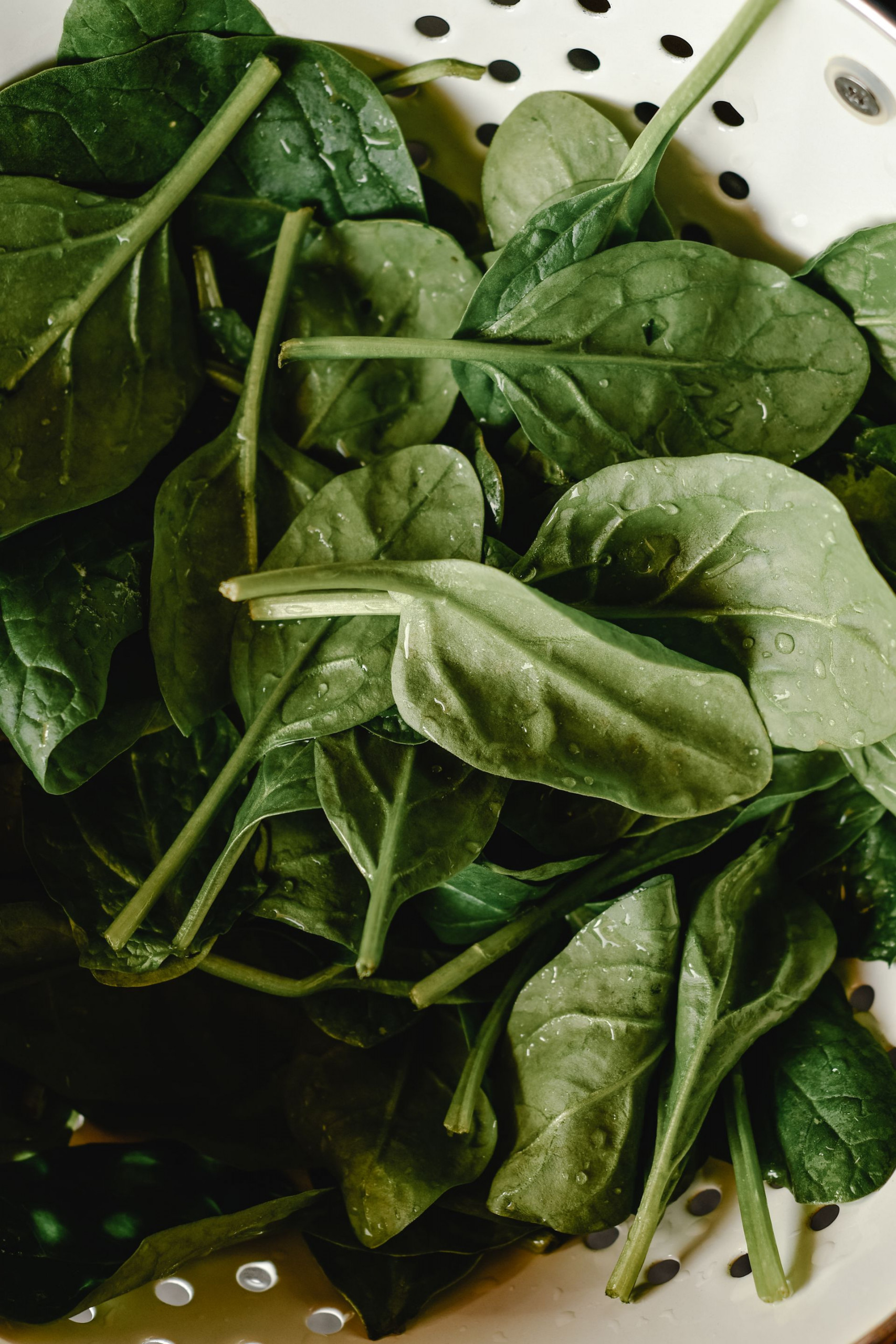
Keep an eye on iron
Numerous studies show a correlation between Iron deficiency and hair loss, especially in cases of diffuse hair loss in women. A low ferritin level (iron stores) is frequently observed in these cases.
Zinc for collagen & keratin
zinc It is involved in the formation of collagen and keratin – the main components of hair. A study of children with hair loss identified zinc and iron deficiencies as important triggers.
Biotin: honestly assessed
Biotin supplements, which are heavily advertised, offer no proven additional benefit to people without a diagnosed deficiency – most people simply don't have a biotin deficiency. A combination of protein, vitamin C, and zinc is more sensible, as there is better evidence for it.
Clarify first, then act
Because hair loss has so many possible causes, a blood test by a doctor is advisable before starting any nutritional supplement regimen. Both an untreated deficiency and unnecessary, high-dose supplementation pose health risks.
Important: High doses of iron or zinc without a proven deficiency can be harmful to your health - do not increase the dose on your own.
Suitable herbs in the Botanical Archive
This information is not a substitute for medical or dermatological diagnosis. If you experience persistent or sudden hair loss, please consult a doctor to determine the cause.


