

Knowledge · Nutrient Atlas
What arrives, Not what it says on the label.
Twelve fact sheets: what form, when, with what, and what you can save yourself the trouble. Each one fits on one screen, with the corresponding product right next to it. For more in-depth information, simply expand the entire chapter.
- 12Profiles
- 20Seconds per response
- 9suitable products
Note: All content is for informational and educational purposes only. It does not replace medical diagnosis, treatment, or individual advice. If you have any health concerns or before taking dietary supplements, please consult a doctor.
Fact Sheet 01 · The wrong sugar
Sweet. Quiet. Systematic.
In short: The problem isn't sugar itself, but its refined, isolated form in quantities your body was never designed for. You can't see most of it.
Sugar per serving, 25g is the daily target
Here's how you do it
- Switching drinks first is the biggest lever.
- Read the ingredient list: Sugar has many names
- Sweets after a meal, not in between.
Watch out
- Juice counts like lemonade.
- „"No added sugar" does not mean sugar-free.
- Being thin doesn't protect you: The risk remains elevated even without weight loss.
Remember: The WHO recommends 25g per day. In Germany, there are roughly 90g available per person.
What you do instead
No products in this chapter. Only knowledge.
Read the entire Chapter 1, including figures and sources.
Sweet. Quiet. Systematic.
The problem is not sugar itself, but its refined, isolated form in quantities for which our bodies were never built.
Diseases associated with high sugar consumption
Same sweetness, different body
Why the difference?
The fruit contains sugar packaged, in fiber, water, vitamins and phytochemicals. This packaging slows absorption, satiates, and nourishes the microbiome.
Refined sugar is the same substance. without packagingIt floods the bloodstream, forces the pancreas to produce insulin spikes – and the subsequent crash calls for the next dose. A cycle that nature never intended.
The number increases every year.
Two lines, twenty years. Green: how many adults in Germany have diabetes. Orange: how many are severely overweight. Both are rising continuously.
In 2003, approximately one in 17 adults had diabetes. Today it is one in 10.
Source: Robert Koch Institute, German Health Report Diabetes 2026.
What a bottle of soda does to you
Your body has to break down an apple first. You don't have to break down a soda. The sugar is already liquid and goes almost directly into the bloodstream. That's the whole difference.
- ImmediatelyThe bottle contains 53 grams of sugar. That's the equivalent of 18 sugar cubes. You'd drink that in two minutes. You'd never eat it.
- After 30 to 60 minutesYour blood sugar is at its peak. The more liquid the food and the less fiber it contains, the steeper the rise.
- After 1 to 2 hoursYour body releases insulin to bring the level back down. If your metabolism is already overloaded, this takes significantly longer.
- After 2 to 5 hoursNow things can go downhill: cravings, fatigue, difficulty concentrating. And you reach for the next sweet treat. The cycle begins again.
- After a few weeksIn a study, young men drank almost 0.8 liters of soft drink daily for seven weeks. Afterwards, their livers accumulated twice as much fat as before.
A single drink a day is enough to keep your body permanently in a state of emergency.
Source: German Diabetes Association, Professional Association of German Internists, University of Zurich (2021).
Where the sugar really sits
A sugar cube weighs 3 grams. The World Health Organization recommends a daily intake of about 25 grams, or 8 cubes. Green means: still within limits. Red means: over the limit.
Half a bottle of cola contains 18 cubes. This more than doubles the daily target, even before breakfast.
Source: Sugar list of LAG Berlin (2024), Consumer Advice Center NRW, WHO. The value for iced tea varies greatly depending on the brand.
It's not just about the weight
Many people think: sugar makes you fat, and being fat makes you sick. So, staying slim should be enough. Studies show otherwise. Even when you factor out body weight, the risk remains elevated.
Source: Review articles in BMJ (2015) and in Nutrients (2021), guideline of the DGVS.
Sources: WHO Guideline „Sugar intake for adults and children“ (2015) · DGE Nutrition Report · Meta-analyses including Te Morenga et al., BMJ 2013. Curves shown schematically.
Fact Sheet 02 · Liquid Gold
Honey is not a sugar substitute. It is a food in its own right.
In short: One of humanity's oldest remedies, now even approved as medicinal honey, yet still around 80 percent sugar. Use sparingly, buy from a beekeeper, and do not heat above 40 degrees Celsius.
Sugar in 100g
Here's how you do it
- Buy from the beekeeper; the location is indicated on the jar.
- Crystallization is a sign of quality: only untreated honey crystallizes.
- Only add it to the tea when it is lukewarm.
Watch out
- „"A mixture of EU and non-EU countries": blended and heated
- Never apply honey to open wounds.
- Not for infants in their first year of life
Remember: The WHO's 25g guideline also applies to honey. It tastes sweeter than sugar, so less is needed.
What you do instead
Honey will be available in our shop soon. Until then: visit the beekeeper around the corner.
Read the entire Chapter 2, including figures and sources.
Honey is not a sugar substitute. It is a food in its own right.
Anyone who sees honey merely as a sweet spread is misunderstanding it. It is one of humankind's oldest remedies – and that's not romantic notion, but a factual observation. Ebers Papyrus, Honey appears in hundreds of recipes in an Egyptian collection dating from around 1550 BC. In Ayurveda, it has been considered a distinct class of substances for millennia, while in Traditional Chinese Medicine it serves as a carrier that unlocks the effects of other herbs. Archaeologists have even found honey in the tombs of pharaohs that had remained unspoiled for over three thousand years.
And today he is in the operating room
The most remarkable thing about honey is not its past, but its present: Medical honey is an approved medical product in Germany. Hospitals use it for chronic, poorly healing wounds, extensive injuries, and wounds colonized with antibiotic-resistant bacteria such as MRSA. This is not natural remedy marketing – it has been officially approved.
Please do not confuse: This medical-grade honey is specially sterilized. Honey from a jar should never be applied to an open wound. It's not sterilized and can introduce germs. What applies in a hospital doesn't apply in a kitchen.
But only the real one deserves the name
And this is where it gets uncomfortable. Worldwide, approximately Seven times more honey is consumed than produced.. This gap isn't filled with bees. It's filled with sugar syrup, with dilution, with offcuts.
The label gives it away. If the label says "Blending of honey from EU and non-EU countries," you're holding a hodgepodge of honey bought from all over the world—blended and heated to make it spreadable and suitable for machine bottling. This very heat destroys what makes it special: enzymes, pollen, flavor compounds, and other beneficial substances. What's left is golden syrup.
The beekeeper's label states where it comes from. Often transported right to the hives' location. Cold-extracted, not heated to high temperatures, not finely filtered. Its eventual crystallization is not a flaw, but proof that only untreated honey crystallizes.
The varieties. Acacia honey stays liquid for a long time because it is particularly rich in fructose. Rapeseed honey sets quickly and becomes spreadable. Forest honey is dark and tart because it doesn't come from blossoms, but from honeydew. And Manuka Bottles from New Zealand have an MGO number on the glass, indicating their methylglyoxal content - the higher the number, the more sought after and expensive they are.
There's one thing we still owe you.
We are avowed fans of honey - and that's precisely why we're telling you this: honey consists of approximately 80 percent sugar, And the World Health Organization classifies it as a free sugar. Therefore, the 25-gram recommendation mentioned above also applies to it.
Sugar content in 100g of table sugar - the comparative value.
Sugar in 100g of honey. The rest is mostly water.
Sugar in 100g of date syrup, also a free sugar.
This isn't a contradiction to everything that came before, but rather the instruction manual. Honey isn't something you eat by the spoonful because it's healthy. It's something you... targeted If you're going to use it, then please choose a quality that's worth the effort. Because it tastes sweeter than sugar due to its high fructose content, you need less of it anyway.
Practical: Do not stir into boiling hot tea. Only when the drink has cooled to a drinkable temperature will it retain its original properties. And honey should not be included in the diet of infants in their first year of life.
Sources: Ebers Papyrus (around 1550 BC); World Health Organization, Recommendation on free sugars; Institute for Apiculture at Humboldt University of Berlin; German Honey Ordinance; specialist literature on wound care with medicinal honey.
Profile 03 · Two bodies, two worlds
Your body eats with you.
In short: The same person, two diets. Whole foods mean stable blood sugar, a diverse gut, clear skin, a balanced immune system, and good sleep. Ultra-processed foods mean the opposite, point by point.
Wholesome versus industrial
Here's how you do it
- Buy products with short ingredient lists; everything else is processed.
- Regularly include bitter substances and fermented foods in your diet.
- Cook completely from scratch once a week, then more often
Watch out
- „"Organic" does not protect against ultra-processed foods.
- Light products are often more heavily processed than the original.
- Emulsifiers are listed as E-numbers in the ingredients list.
Remember: This comparison is simplified, but it is based on the research on ultra-processed foods.
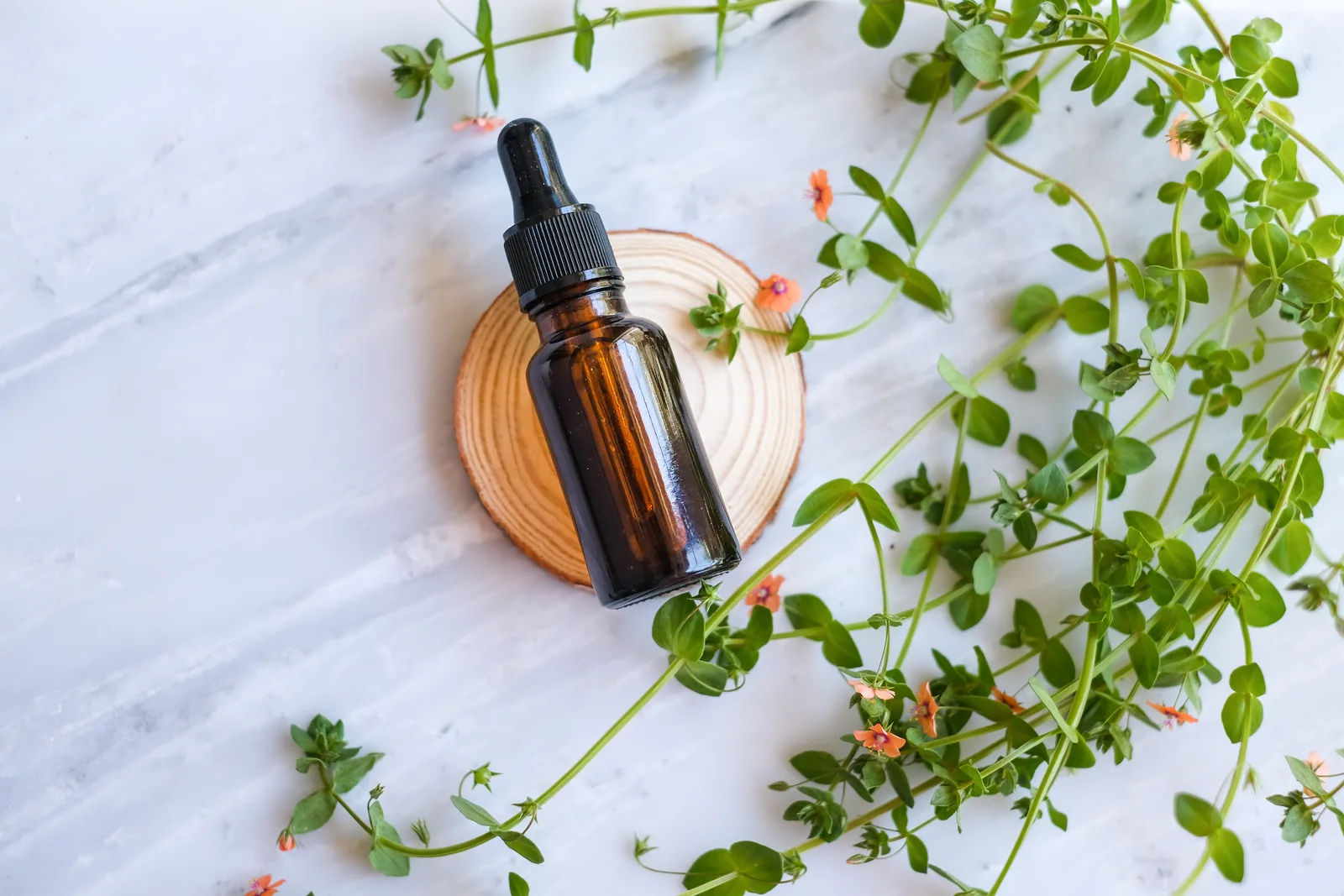 This chapter fitsBitter drops
Bitter substances from herbs, without sugar. The very thing that's missing first and foremost in processed foods.
Our shop links to verified partners. Advertisement.
Read the entire Chapter 3, including figures and sources.
Your body eats with you.
Left: a person who is separated from pure nature Nourished. Right: the same person – with preservatives, emulsifiers, and refined sugar. Scroll and compare.
energy
against
Colon
against
skin
against
immune system
against
Sleep & Mind
against
Simplified comparison based on the available research on ultra-processed foods (including the NOVA classification, Monteiro et al.; Chassaing et al., Nature 2015 on emulsifiers). Not medical advice.
Fact Sheet 04 · Understanding Supplements
Not all magnesium is created equal.
In short: Buy bisglycinate or citrate, check the magnesium content, and take it in the evening. Leave the oxide on the shelf; only about 4 percent of it is absorbed.
Form matters, classification from the chapter
Here's how you do it
- Bisglycinate in the evening, when it comes to nerves and sleep
- Citrate for muscles and digestion; lower dose for sensitive intestines.
- Malate is best taken in the morning, when tired.
Watch out
- Take high-dose minerals at different times, not all at the same meal.
- Soft stools: reduce the dose
- Kidney problems: get medical help beforehand
Remember: The can usually lists the compound, not the mineral. The line that matters is "of which magnesium".
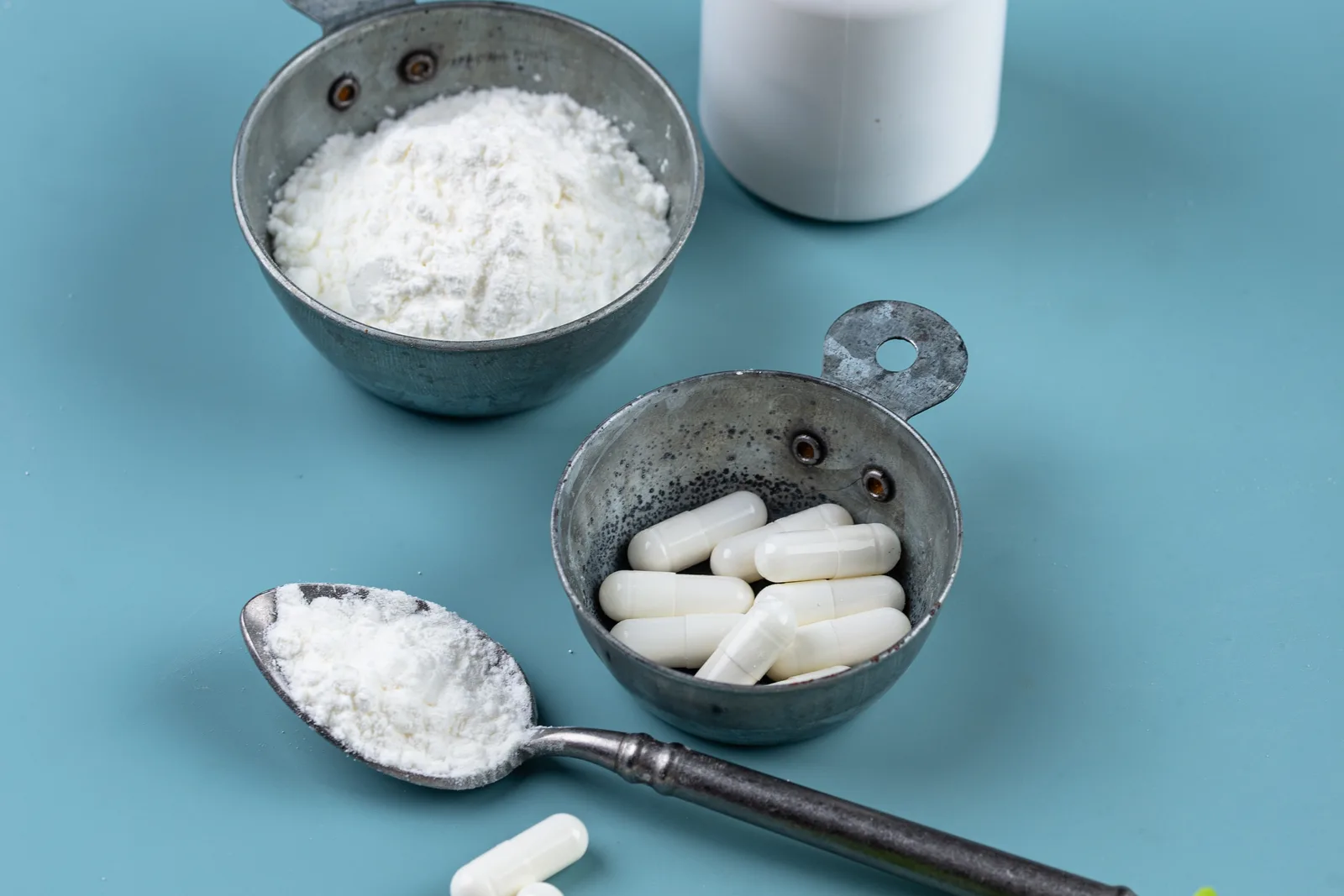 This chapter fitsMagnesium citrate
Citrate: quickly available, well-documented, 85 out of 100 in the chapter. For muscles and digestion.
Our shop links to verified partners. Advertisement.
Read the entire Chapter 4, including figures and sources.
Not all magnesium is created equal.
The packaging says "Magnesium" - but what's crucial is... Connection behind it. It determines how much your body actually absorbs and where it has an effect.
Bisglycinate
Bound to the amino acid glycine – very well tolerated, highly absorbed, with a calming effect. Ideal for evening use.
Citrate
Quickly available and well-documented. Also stimulates digestion – lower dosage for sensitive digestive systems.
Malate
Bound to malic acid, which plays a role in energy metabolism (citric acid cycle). Popular for fatigue – especially in the morning.
L-Threonate
The only form that readily crosses the blood-brain barrier. Intriguing for focus and cognitive health – but expensive.
Orotate
Bound to orotic acid, traditionally studied in cardiology. A niche formulation with interesting research findings for the heart.
oxide
The cheapest and most common form on drugstore shelves. Only about 4 mg of % is absorbed – the rest has a laxative effect. A lot of powder, little effect.
Score = relative classification based on bioavailability, tolerability, and available studies. Sources include: Firoz & Graber, Magnes Res 2001 (Oxide ~4 %) · Walker et al. 2003 (Citrate vs. Oxide) · Slutsky et al., Neuron 2010 (Threonate). Individual absorption varies.
Profile 05 · The team behind the scenes
Vitamin D3 never works alone.
In short: Vitamin D3 transports calcium into the bloodstream, while vitamin K2 (MK-7) directs it to the bones instead of the blood vessels. Therefore, it's important to consume it together with fat, especially in winter.
Where the calcium goes
Here's how you do it
- Take with a fatty meal, as vitamin D3 is fat-soluble.
- Typically 1,000 to 2,000 IU of vitamin D3 plus around 100 µg of vitamin K2 as MK-7.
- In winter, the skin in this country produces hardly any vitamin D3.
Watch out
- Blood thinners (vitamin K antagonists): consult a doctor beforehand.
- High doses of vitamin D3 without K2 can deposit calcium in the wrong place.
- Have the mirror measure instead of guessing.
Remember: Two vitamins, one task. D3 opens the door, K2 steers the traffic.
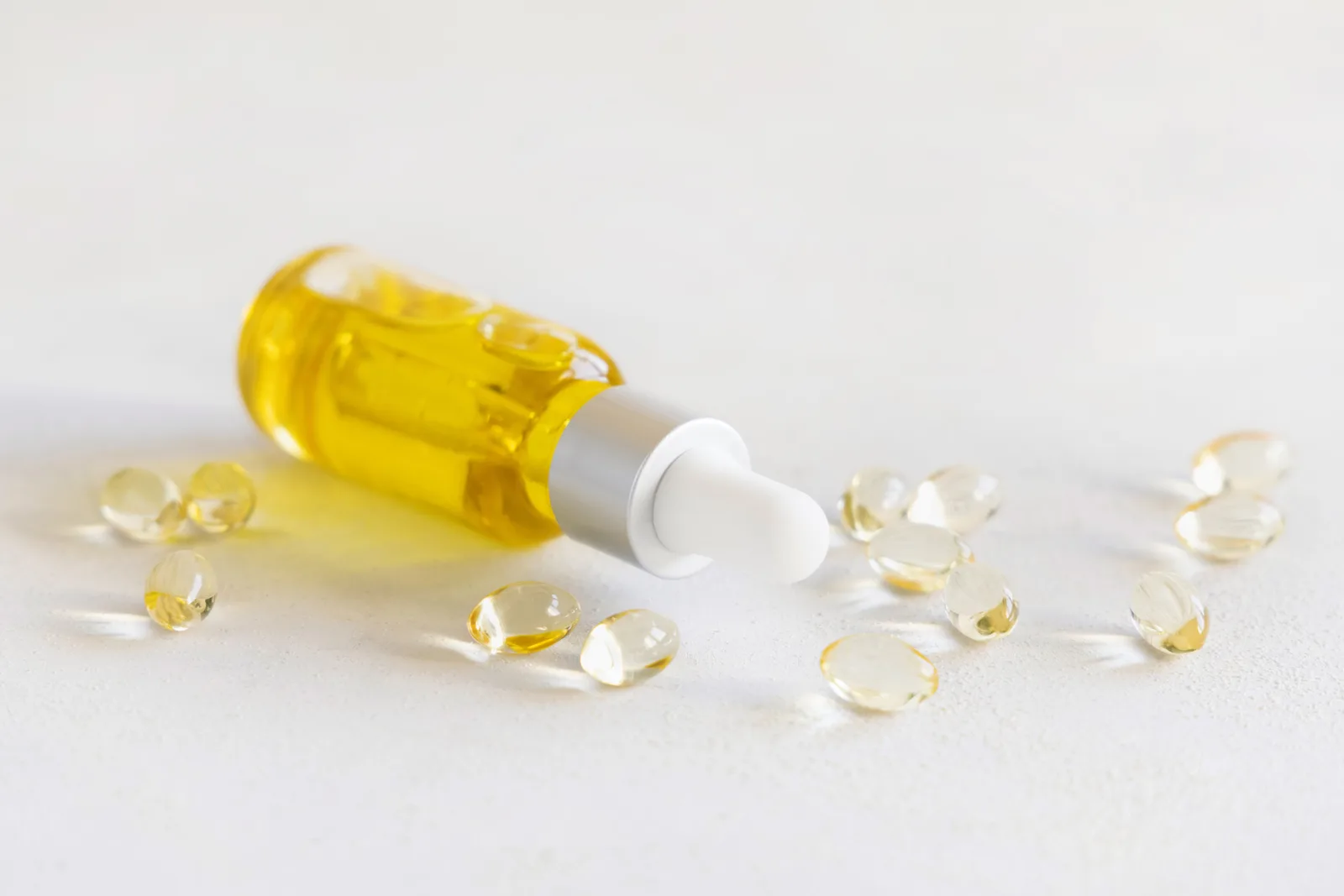 This chapter fitsVitamin D3 + K2
Drops in oil, K2 as MK-7. Exactly the combination from the chapter.
Our shop links to verified partners. Advertisement.
Read the entire Chapter 5, including figures and sources.
Vitamin D3 never works alone.
Vitamin D3 brings calcium into the bloodstream - but only first K2 It shows him the way: into the bones, not the arteries. Two vitamins, one task.
Open the door
Vitamin D3 (cholecalciferol) controls calcium absorption from the intestines and regulates over 200 genes – from the immune system to mood. In winter, the skin in this country produces very little of it. Take it in an oil-based form, as vitamin D3 is fat-soluble.
Directs traffic
Vitamin K2 (ideally as MK-7) activates proteins like osteocalcin, which incorporates calcium into bones, and matrix GLA, which keeps it out of blood vessel walls. Without K2, high doses of vitamin D3 can deposit calcium in the wrong places.
Often usefully combined; typical supplementation 1000–2000 IU D3 + ~100 µg K2 (MK-7). Consult a doctor if taking blood thinners (vitamin K antagonists). Sources include: Maresz, Integr Med 2015; van Ballegooijen et al., Int J Endocrinol 2017. Not medical advice.
Fact Sheet 06 · The right fat
It's not about more, it's about the relationship.
In short: We have plenty of Omega-6, but hardly any Omega-3: today often 15 to 1. EPA and DHA come directly from algae or fish; linseed oil only provides the precursor.
Percentage of directly available EPA and DHA
Here's how you do it
- Algae oil or fish oil with EPA and DHA
- Pay attention to freshness, keyword: Totox value
- Reduce the amount of oils high in Omega-6; then the ratio will be more balanced.
Watch out
- Linseed oil and walnuts alone are not enough; the body only converts a few percent.
- Vegan: Algae oil instead of fish oil
- Store fish oil in a cool, dark place.
Remember: The ratio has flipped from around 2 to 1 to often 15 to 1 today.
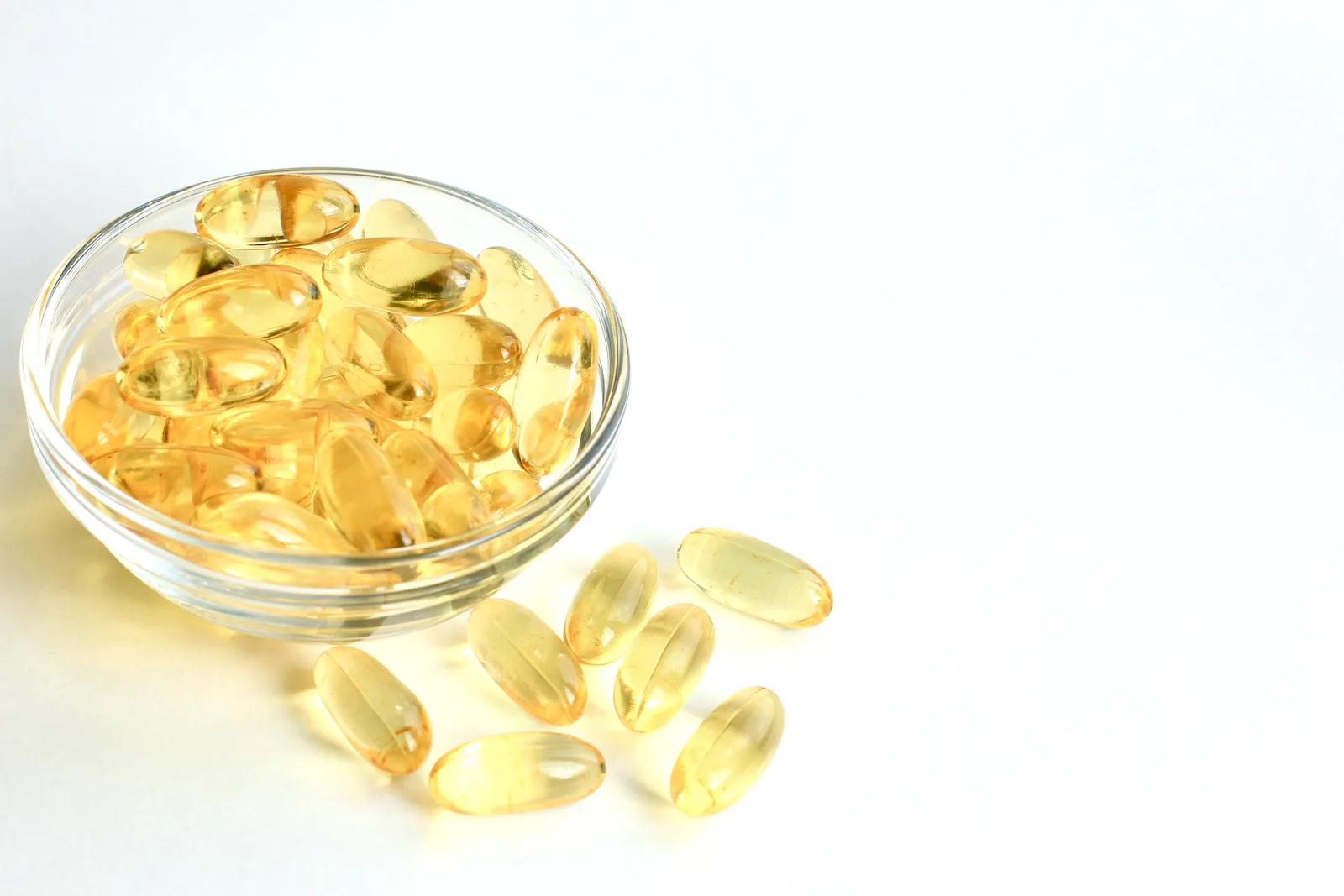 This chapter fitsOmega-3 from algae oil
EPA and DHA directly from algae, without fish. The source mentioned at the very top of the chapter.
Our shop links to verified partners. Advertisement.
Read the entire Chapter 6, including figures and sources.
It's not about more, it's about the relationship.
Our diet provides plenty of omega-6, but hardly any omega-3. The ratio has completely reversed. ~2:1 often today 15:1 - and excessive amounts of Omega-6 fuel silent inflammation.
Not all Omega-3 sources are created equal.
Plant sources provide ALA – the body converts only a small percentage of this into the active forms EPA and DHA. They are directly available from fish and algae.
Bar = proportion of directly available active omega-3 (EPA/DHA). Pay attention to freshness (Totox value) and an algae alternative for a vegan diet. Sources include: Simopoulos, Biomed Pharmacother 2002 (ratio) · EFSA recommendations on EPA/DHA. Not medical advice.
Profile 07 · Sweetness without sugar?
Sugar-free does not automatically mean harmless.
In short: Stevia and erythritol are the clean options, xylitol and honey in moderation, agave syrup is a sugar trap. The best goal remains to need less sweetness.
Classification from the chapter
Here's how you do it
- Erythritol for baking; it is hardly metabolized.
- Pure steviol glycosides instead of mixtures
- Slowly lower the threshold for sweetness
Watch out
- Xylitol is highly toxic to dogs.
- Do not heat sucralose
- Sugar alcohols, in large quantities, have a laxative effect.
Remember: Classification is for guidance, not as a prohibition.
What you do instead
No products in this chapter. Only knowledge.
Read the entire Chapter 7, including figures and sources.
Sugar-free does not automatically mean harmless.
Sweeteners save calories – but some irritate the microbiome or keep cravings for sweets alive. There are better and worse Paths.
This classification serves as a guideline, not a prohibition. The best approach remains to lower the overall taste threshold for sweetness. Sources include: WHO guidelines on sweeteners (2023); IARC/JECFA on aspartame (2023); Suez et al., Nature 2014 (microbiome).
Fact Sheet 08 · Gut and Microbiome
The root is located in the intestine.
In short: The German Nutrition Society (DGE) recommends 30g of fiber per day, the average is 18g. And variety counts: around 30 different plants per week.
Dietary fiber per 100 g
Here's how you do it
- Chia or flax seeds in breakfast
- Fermented foods to accompany: sauerkraut, kefir, kimchi
- Legumes and whole grains instead of white flour
Watch out
- Emulsifiers and additives from ultra-processed products
- Lots of sugar and refined white flour
- Constant snacking without breaks for digestion
Remember: Trillions of bacteria influence the immune system, metabolism, and mood. Their food is dietary fiber.
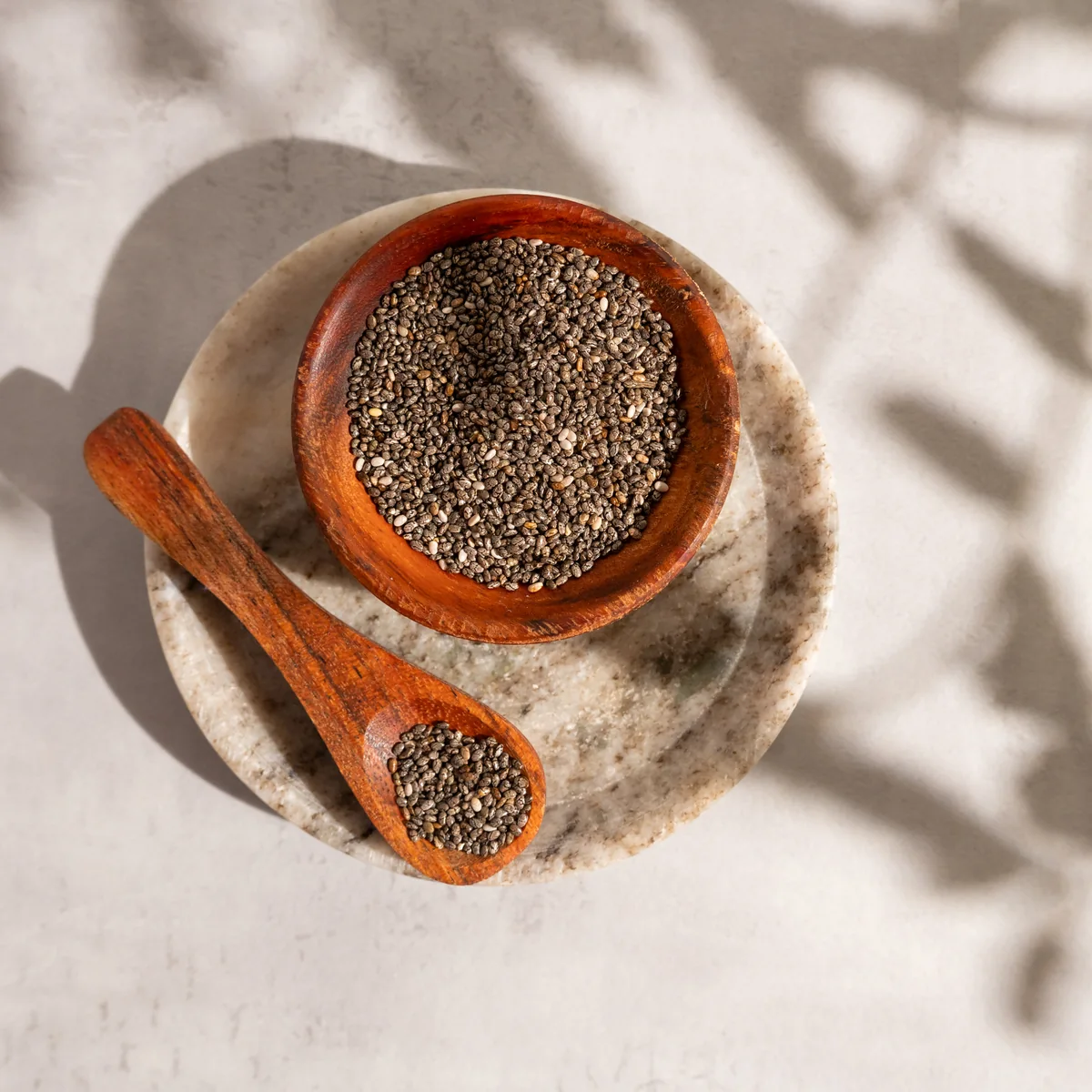 This chapter fitsChia seeds
34g of fiber per 100g, the leader in this category. Two tablespoons for breakfast.
Our shop links to verified partners. Advertisement.
Read the entire Chapter 8, including figures and sources.
The root is located in the intestine.
Trillions of bacteria digest what we ourselves cannot – and influence the immune system, metabolism, and even mood. Their food: Fiber and variety.
Sources of dietary fiber
This nourishes the intestines
- Dietary fiber from vegetables, legumes, whole grains
- Fermented foods: sauerkraut, kefir, yogurt, kimchi
- Polyphenols from berries, herbs, olive oil, cocoa
- Diversity – many different plants instead of always the same one
This puts a strain on the intestines
- Emulsifiers & additives from ultra-processed products
- Lots of sugar and refined white flour
- Excessive alcohol
- Constant snacking without breaks for digestion
Sources include: German Nutrition Society (DGE) reference value for dietary fiber (30 g/day); American Gut Project (diversity/„30 plants“); Chassaing et al., Nature 2015 (emulsifiers). Educational content, not a health claim.
Fact Sheet 09 · Bioavailability
Not what you eat. What gets absorbed.
In short: Nutrients only work if the body absorbs them. The right combination is often more important than the quantity.
What helps and what blocks things
Here's how you do it
- Always combine iron with vitamin C
- Turmeric only with black pepper
- Fat-soluble vitamins with meals
Watch out
- Coffee and tea approximately one hour apart from iron
- High doses of calcium and iron, administered at a later time
- More quantity does not replace a better combination.
Remember: This is the central theme of this page. Everything else depends on it.
Read the entire Chapter 9, including figures and sources.
It's not what you eat that matters.
The central theme of this page: Nutrients only work if the body absorbs them. The right combination Often, more than quantity matters.
Sources include: Hurrell & Egli, Am J Clin Nutr 2010 (iron) · Shoba et al., Planta Med 1998 (piperine/curcumin). General knowledge, not an individual recommendation.
Fact Sheet 10 · Iron and Vitamin B12
Two that many are missing.
In short: Plant-based iron is less readily absorbed, while iron combined with vitamin C is almost twice as effective. Vitamin B12 is found almost exclusively in animal products: vegan diets require supplementation, not just guesswork.
How much iron is absorbed
Here's how you do it
- Lentils, chickpeas, pumpkin seeds with bell pepper or lemon
- Drink coffee and tea at different times
- Supplement vitamin B12 specifically for vegan diets
Watch out
- Heavy menstrual bleeding and unbalanced diets increase the need for
- Vitamin B12 deficiency often shows up late; if in doubt, have your blood levels checked.
- Do not increase iron doses on suspicion alone, measure first.
Remember: These stores last a long time. That's why you often only notice a deficiency when it's already there.
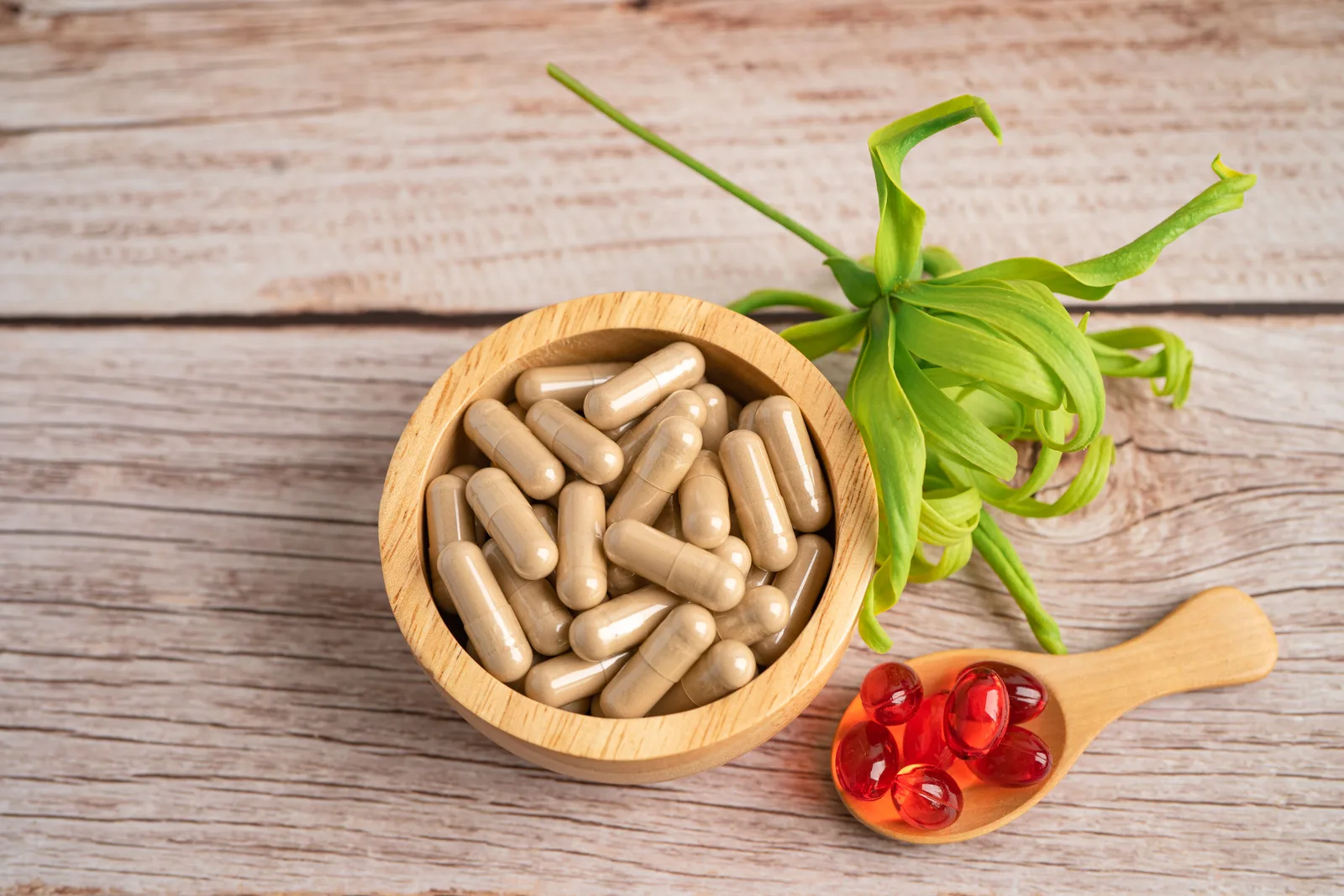 This chapter fitsIron + natural vitamin C
Iron and vitamin C in one capsule, the combination from the chapter.
Our shop links to verified partners. Advertisement.
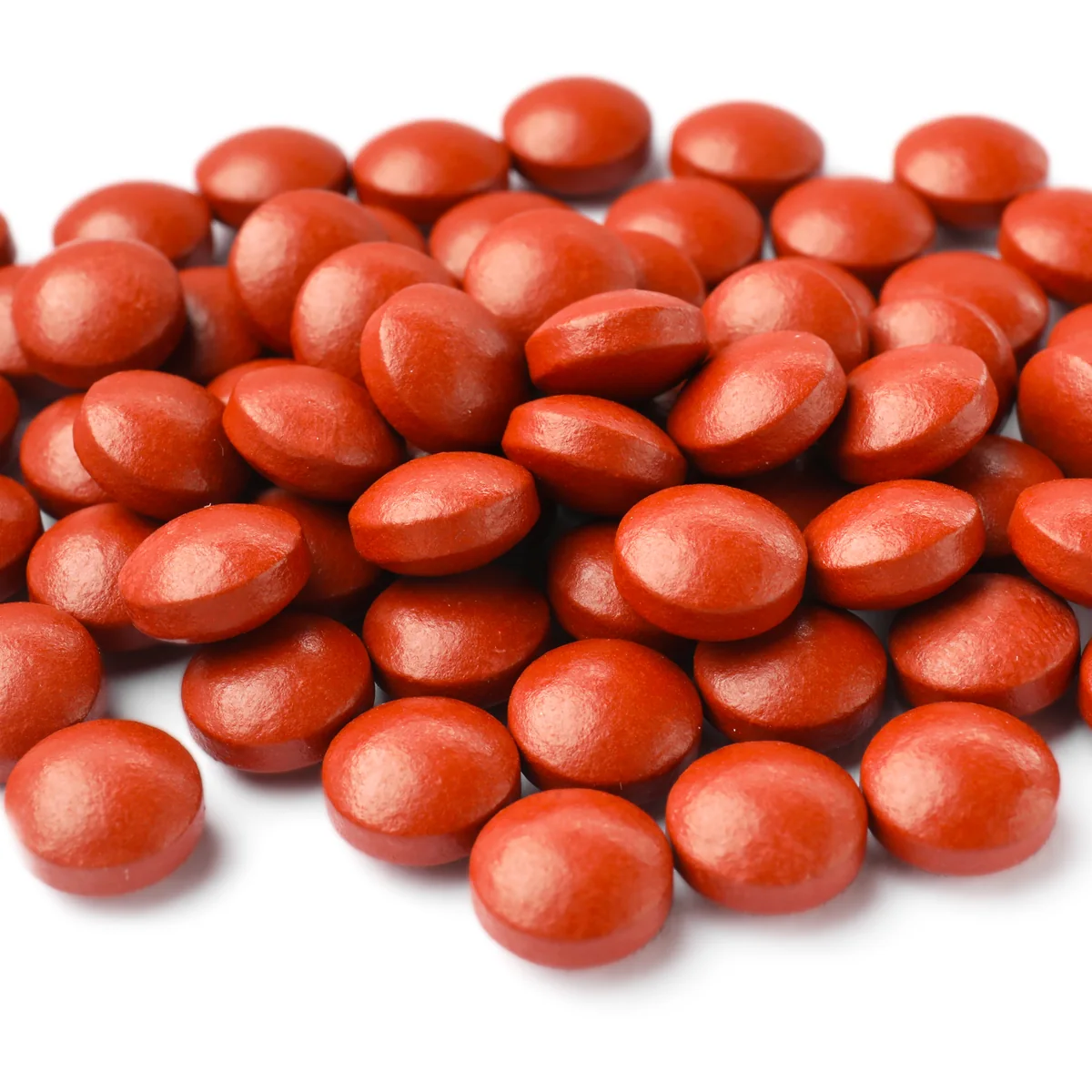 This chapter fitsVitamin B12
For those who eat little or no animal products. No guessing, measuring, or supplementing.
Our shop links to verified partners. Advertisement.
Read the entire Chapter 10, including figures and sources.
Two that many are missing.
Especially with a plant-based diet, a closer look is worthwhile: iron is absorbed less well by plants, B12 It is found almost exclusively in animal sources.
How well iron is absorbed
Iron - cleverly combined
- Sources: Lentils, chickpeas, pumpkin seeds, rolled oats, spinach
- Always combine with vitamin C (bell peppers, lemon, berries).
- Drink coffee/tea at different times
- Unbalanced diets and heavy menstrual bleeding increase the need for
Vitamin B12 - don't guess, measure
- Virtually only found in animal products (meat, eggs, milk)
- Vegan/vegetarian: targeted supplementation (no „organic by chance“)
- Storage lasts a long time - shortages often only become apparent late.
- If in doubt, have your blood values checked by a doctor.
Intake rates are approximations and vary individually (storage capacity, demand). Sources include: EFSA reference values, Hurrell & Egli 2010. This does not replace a medical diagnosis.
Fact Sheet 11 · Understanding Trace Elements
Zinc is absorbed when the environment is right.
In short: How much zinc you need depends largely on how much whole grains and legumes you eat. Their phytate binds zinc. Small amounts in an easily absorbable form are sufficient as a supplement; more is not better.
Form matters, relative classification from the chapter
Here's how you do it
- A small amount, about 5 to 10 mg, with a light meal
- Soaking, sprouting, or using sourdough for legumes and grains reduces phytate content.
- Protein-rich foods such as eggs, cheese, or meat improve absorption
Watch out
- Do not consistently exceed 25 mg per day from all sources, otherwise copper supply will suffer.
- Zinc, iron, and calcium in high doses should not be taken at the same time.
- Certain antibiotics and osteoporosis medications: 2 to 3 hour interval
Remember: Zinc is best absorbed on an empty stomach, but some people experience nausea on it. If so, simply take it with a small meal.
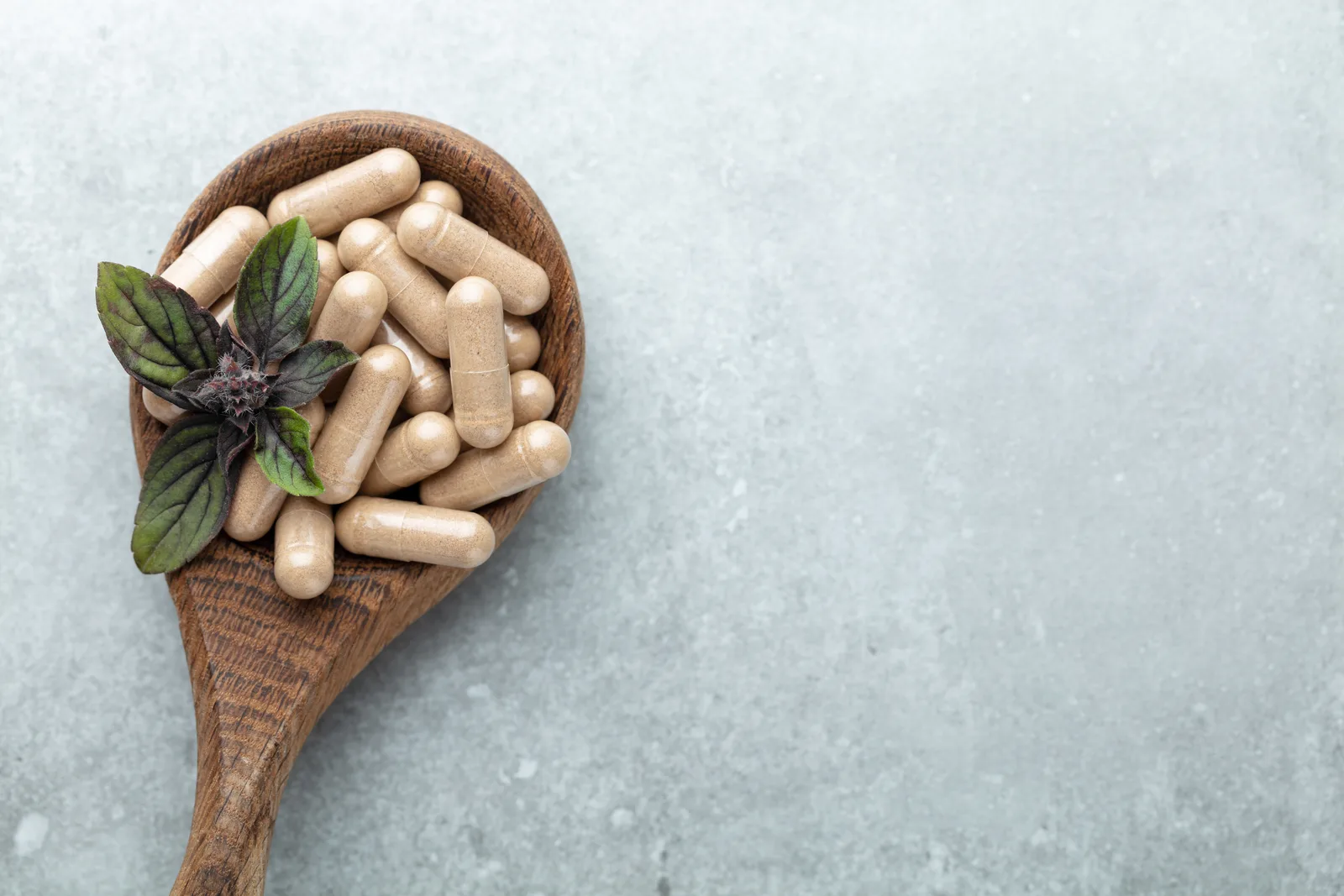 This chapter fitsZinc bisglycinate
Bisglycinate: bound to glycine, gentle on the stomach and better absorbed than gluconate in studies.
Our shop links to verified partners. Advertisement.
Read the entire Chapter 11, including figures and sources.
Zinc is absorbed when the environment is right.
Zinc is found in over 300 enzymes and is needed for the immune system, skin health, wound healing, and growth. The body can hardly store it, so daily intake is crucial, and so is..., how much of it actually arrives.
Since 2019, the German Nutrition Society (DGE) no longer specifies a fixed amount, but rather a range based on phytate intake. For those with low phytate intake, approximately 11 mg per day is sufficient for men and 7 mg for women; for those with a diet rich in whole grains and legumes, the amounts are 16 mg and 10 mg, respectively. Phytate is the storage compound for phosphorus in seeds and binds zinc in the intestines, thus reducing its absorption.
This doesn't mean whole grains are bad. Soaking, sprouting, fermenting, and sourdough significantly reduce phytate levels. Animal protein improves absorption, and good sources of zinc include oysters, beef, cheese, eggs, pumpkin seeds, rolled oats, and lentils.
The compound used in supplementation does have an impact. In a study by Wegmüller et al., zinc from citrate and gluconate was absorbed at approximately 61 percent, while zinc from oxide was absorbed at approximately 50 percent. A study by Gandia et al. found that bisglycinate had a roughly 40 percent higher absorption rate than gluconate. These differences are real, but smaller than those seen with magnesium.
The quantity is more important than the form. The German Federal Institute for Risk Assessment (BfR) recommends a maximum of 6.5 mg of zinc per daily serving for food supplements, while the European Food Safety Authority (EFSA) cites 25 mg per day from all sources as the safe upper limit for adults. Those who take significantly more over several months risk a copper deficiency because zinc inhibits copper absorption. The permitted claim for zinc is that it contributes to the normal function of the immune system.
Bisglycinate
Zinc bound to the amino acid glycine. Gentle on the stomach and, in a comparative study, better absorbed than gluconate.
Citrate
Approximately 61 percent absorption in Wegmüller's study, on par with gluconate. Reliable and affordable.
Gluconate
The classic form, often in lozenges. Well-researched, absorption similar to citrate.
Picolinate
Bound to picolinic acid. An older small study suggested benefits, but the data is limited.
oxide
Common in inexpensive preparations. Less well absorbed, around 50 percent in the comparative study.
Score = relative classification based on intake, tolerability, and available studies. Sources include: DGE, Reference Values for Zinc, 2019; Wegmüller R et al., J Nutr 2014; 144(2): 132 to 136; Gandia P et al., Int J Vitam Nutr Res 2007; 77(4): 243 to 248; BfR, Maximum Intake Levels for Zinc, 2021; EFSA/SCF, Tolerable Upper Intake Level of Zinc, 2003; Regulation (EU) No. 432/2012. Individual intake varies.
Fact Sheet 12 · Understanding the body's own substances
Q10 needs fat to be absorbed.
In short: Your body produces coenzyme Q10 naturally, though production decreases with age and when taking statins. When supplementing, it's important to dissolve it in oil and take it with a meal containing some fat. Whether it's ubiquinone or ubiquinol is secondary.
Presentation counts, relative classification from the chapter
Here's how you do it
- Served with a little fat as a main meal, for example at lunch or dinner.
- Soft capsules with oil are preferable; dry powder is less well absorbed.
- Divide larger quantities between two meals
Watch out
- Blood thinners such as phenprocoumon or warfarin: discuss with your doctor beforehand.
- Statins: Q10 is not a substitute for medical supervision; always have symptoms checked out.
- Pregnancy and breastfeeding: data is lacking.
Remember: Q10 is fat-soluble. Without fat in the stomach, a large portion simply passes through.
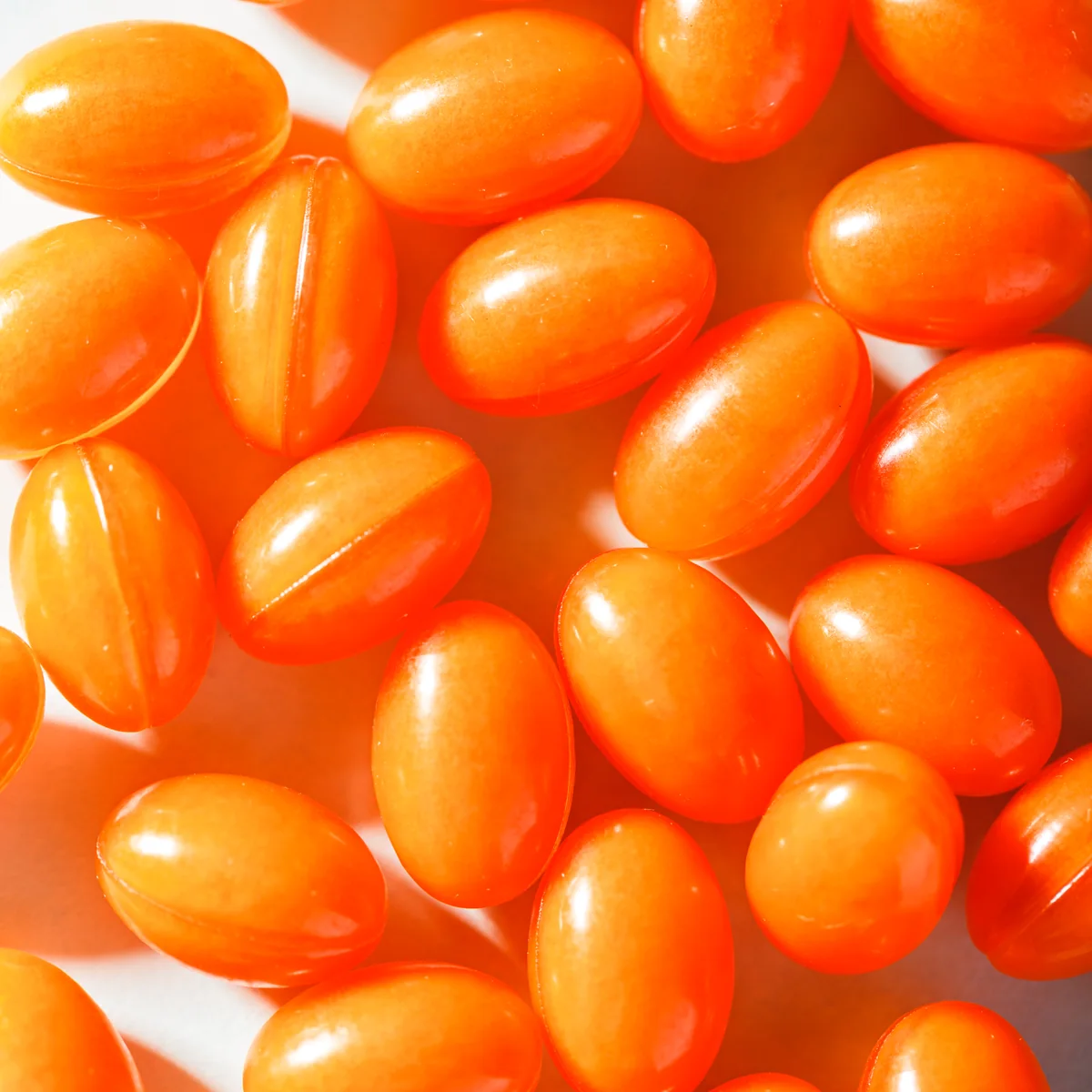 This chapter fitsCoenzyme Q10
Ubiquinone, produced through fermentation. Best taken with a meal containing some fat.
Our shop links to verified partners. Advertisement.
Read the entire Chapter 12, including figures and sources.
Q10 needs fat to be absorbed.
Q10 is not a vitamin. Every cell produces it itself and needs it in the mitochondria, where energy is converted from food. That's why the largest amounts are found in the heart, liver, and muscles, and why it's of interest to researchers., how much of it comes from outside.
We only ingest a few milligrams of coenzyme Q10 daily through our diet, primarily from meat, offal, fatty fish, nuts, and vegetable oils like rapeseed oil. The body produces the majority itself. This natural production decreases with age, and statins further inhibit it because they block the same metabolic pathway through which the body produces cholesterol and Q10.
Coenzyme Q10 is a large, fat-soluble molecule and is poorly absorbed. Therefore, the method of administration is crucial: studies show that when dissolved in oil or solubilized, blood levels rise significantly more than when taken as dry powder or compressed tablets. A meal containing some fat further improves absorption.
Ubiquinone is the oxidized form, ubiquinol the reduced form. The body converts them into one another. Some studies found higher blood levels with ubiquinol, especially in older or seriously ill people, while others saw hardly any difference. For most people, a well-dissolved ubiquinone capsule is a sensible choice.
To be honest, the European Food Safety Authority has not yet recognized any health claims regarding Q10. Typical amounts in dietary supplements range from 30 to 200 mg per day and are considered well-tolerated. Those taking blood thinners should consult their doctor before using Q10, as isolated cases of reduced effectiveness have been reported.
Ubiquinol in oil
The reduced form, which studies have shown is sometimes associated with higher blood levels, especially in older people. It is more expensive and sensitive.
Ubiquinone in oil
The classic, stable form, easily absorbed when dissolved in oil. The body transforms it itself as needed.
Solubilized
Formed into a water-soluble form with the addition of additives. Comparably effective to oil-based solutions.
powder capsule
Dry Q10 powder in a hard capsule. It's much less palatable, especially without food.
tablet
Compressed powder, often low-dose. This results in the least amount reaching the bloodstream.
Score = relative classification based on uptake, stability, and study data. Sources include: Bhagavan HN, Chopra RK, Mitochondrion 2007; 7 Suppl: S78 to S88; Langsjoen PH, Langsjoen AM, Biofactors 2008; 32: 119 to 128; Littarru GP, Langsjoen P, Mitochondrion 2007; 7 Suppl: S168 to S174 (Q10 and statins); EFSA NDA Panel, EFSA Journal 2010; 8(10): 1793 (Q10, claims not recognized). Individual uptake varies.


