
← Back to overview of complaints from A to Z
Regulate gout and uric acid naturally
Gout is one of the most common diet-related metabolic diseases – affecting approximately 1–3 million people in Germany. The good news: diet is one of the most effective ways to manage it.

🦯 This is how uric acid crystals form in your joints
Uric acid is a natural breakdown product of purines – building blocks produced during the breakdown of body cells and certain foods (such as organ meats, some types of fish, and alcohol). Normally, it is excreted via the kidneys and remains dissolved in the blood. However, if the uric acid concentration rises above a certain threshold, it can no longer remain completely dissolved.
It then forms sharp-edged, needle-shaped crystals that preferentially deposit in cooler, poorly perfused areas of the body – classically in the joint at the base of the big toe. The immune system classifies these crystals as foreign bodies and reacts with a massive inflammatory response: The joint swells, reddens, and is often painful even with the slightest touch – an acute gout attack.
The next section explains how this uric acid overload builds up over years before the first attack occurs.
How gout develops over years
Gout usually doesn't develop overnight, but over years: A consistently high-purine diet (lots of meat, offal, alcohol, sugary drinks) causes the uric acid level in the blood to rise gradually. Eventually, the excess uric acid crystallizes in the joints – triggering painful acute gout attacks. Genetic predisposition also plays a role, but is not the sole determining factor.
Low-purine diet according to the German Nutrition Society (DGE)
The German Nutrition Society (DGE) recommends that those affected consume no more than 500 mg of purines per day. A plant-based, whole-food diet rich in vegetables, fruits, grains, and potatoes should form the basis of this diet; dairy products and eggs are acceptable in moderation.
Cherries: an interesting but limitedly documented approach
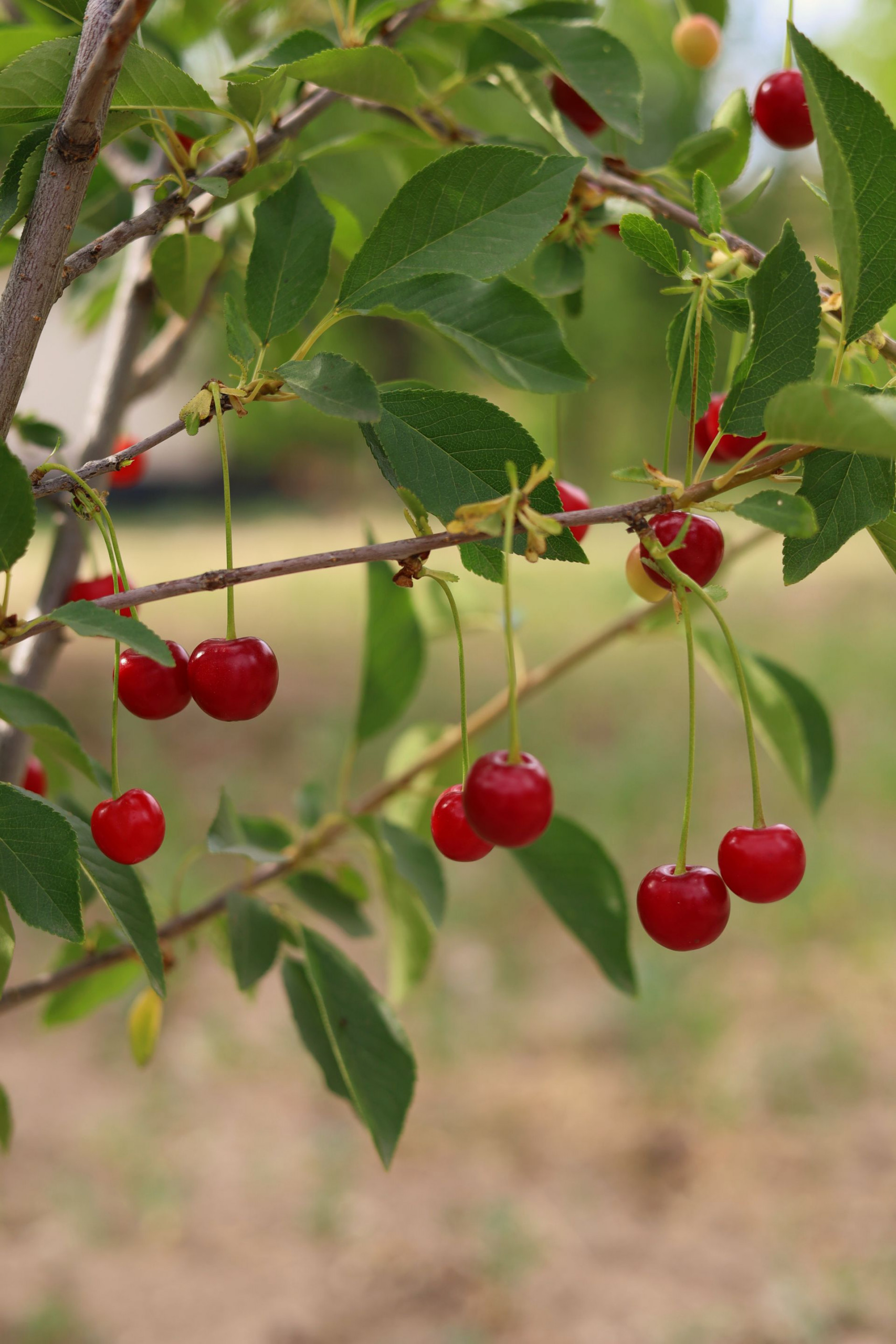
Several studies show a uric acid-lowering effect of cherries and sour cherries – in one study, one to two servings daily increased uric acid excretion by 75 mg/dL and lowered uric acid levels by an average of 15 mg/dL. However, subsequent studies were not of sufficient quality to definitively prove the benefits of cherry extract supplements.
Consistent rather than occasional
Those who have already had gout attacks benefit from a consistent, permanent change in diet instead of occasional diet phases: completely avoid alcohol (especially beer) and sugar-sweetened drinks, greatly reduce offal and meats high in purines, and drink plenty of fluids daily to support uric acid excretion.
Important: In the case of an acute gout attack or repeated attacks, medical treatment is necessary - diet has a preventive effect, but does not replace acute therapy.
Suitable herbs in the Botanical Archive
This information is not a substitute for medical diagnosis or treatment. If you experience acute, severe joint pain or recurring gout attacks, please consult a doctor.


