← Back to overview of complaints from A to Z
Naturally supportive hay fever and allergies
Wie Allergien im Körper überhaupt entstehen, erklären wir hier im Detail: How allergies really develop.
Hay fever and allergies are caused by an overreacting immune system - according to current studies, diet does not cure them, but can help to alleviate the symptoms.
So reagiert dein Immunsystem bei Heuschnupfen
In an allergy, the immune system mistakenly classifies harmless substances like pollen as a threat. Upon initial contact, it produces specific antibodies (IgE) that attach to so-called mast cells – immune cells located in the mucous membranes of the nose, eyes, and airways, which are packed with histamine and other inflammatory mediators.
Upon renewed contact with pollen, the allergens bind to the IgE antibodies on the mast cells, which then literally burst (degranulation) and suddenly release their contents. Histamine binds to receptors in the nose and eyes and triggers the typical symptoms: the blood vessels dilate and become more permeable, mucous membranes swell, and itching and sneezing reflexes are triggered.
Because histamine is the central trigger of the symptom cascade, the first approach below – keeping an eye on histamine – focuses precisely on this point.
Keep an eye on histamine levels
Histamine is a naturally occurring inflammatory messenger in the body that can worsen allergy symptoms. During pollen season, a diet consciously lower in histamine – including less aged cheese, red wine, and certain types of fish – can reduce the severity of symptoms.
Eat anti-inflammatory foods
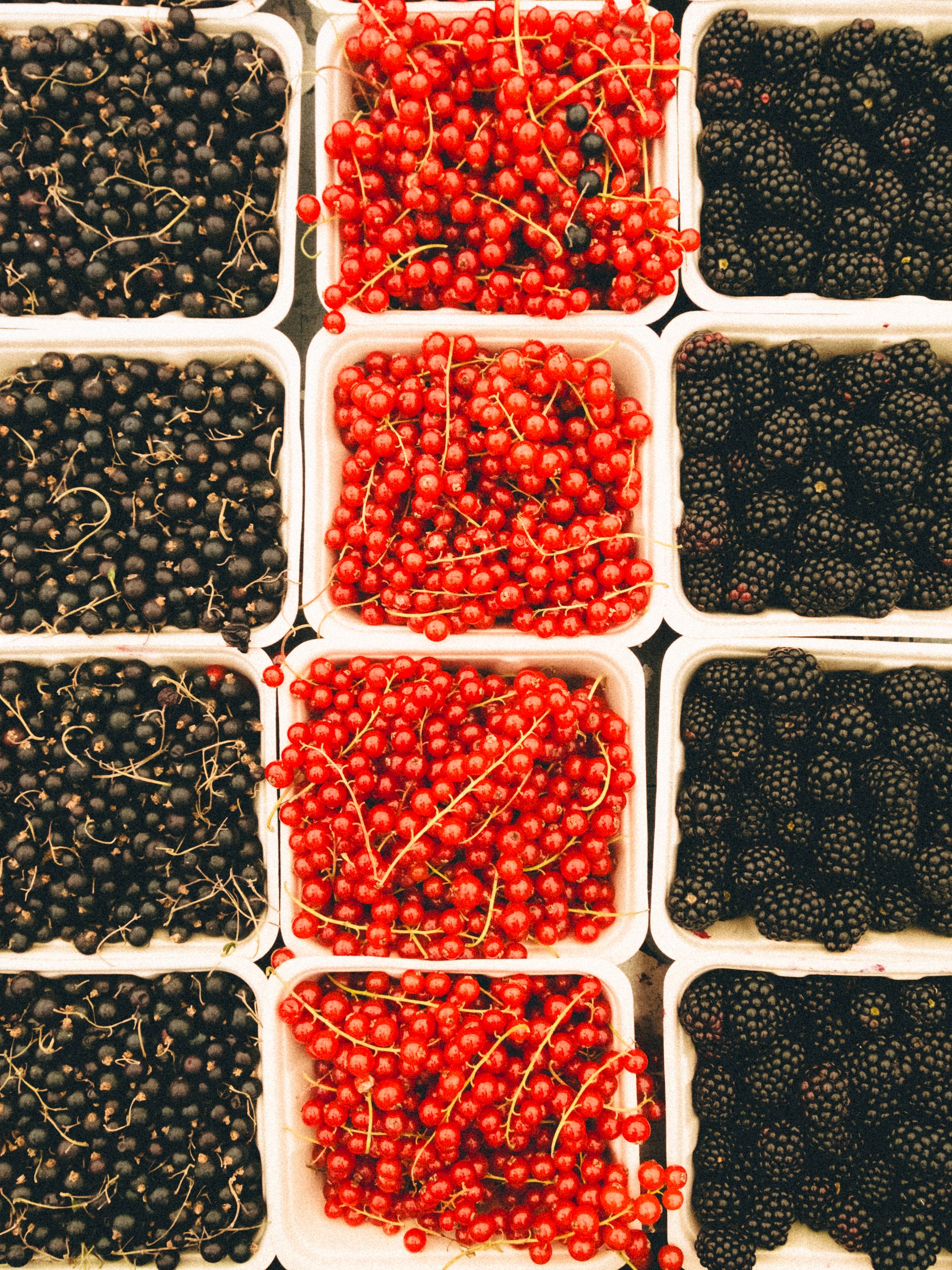
Herbs, vegetables and low-sugar berries such as black and red currants have anti-inflammatory properties and can provide support during the pollen season.
The gut-immune connection
The immune system is closely linked to gut health. A healthy microbiome with an intact intestinal barrier is associated with a lower risk of allergies – a disrupted intestinal barrier, on the other hand, is discussed in connection with the development of allergies.
Consistent rather than half-hearted
Those who suffer greatly during pollen season can benefit more from a consistent, trial-based dietary change than from occasional minor adjustments: eating a low-histamine diet and consistently avoiding added sugar and artificial preservatives for several weeks. This relieves the burden on the metabolism and gives the body—including its own detoxification organs—more space to focus on regulating the immune system.
Important: There are currently no studies that prove a specific diet can cure hay fever. Severe symptoms should be evaluated by a doctor.
Suitable herbs in the Botanical Archive
This information is for general guidance only and does not replace allergy diagnosis or treatment. If you experience severe or new allergy symptoms, please consult a doctor.