
Grape (Vitis vinifera)
OriginEight thousand years of wine
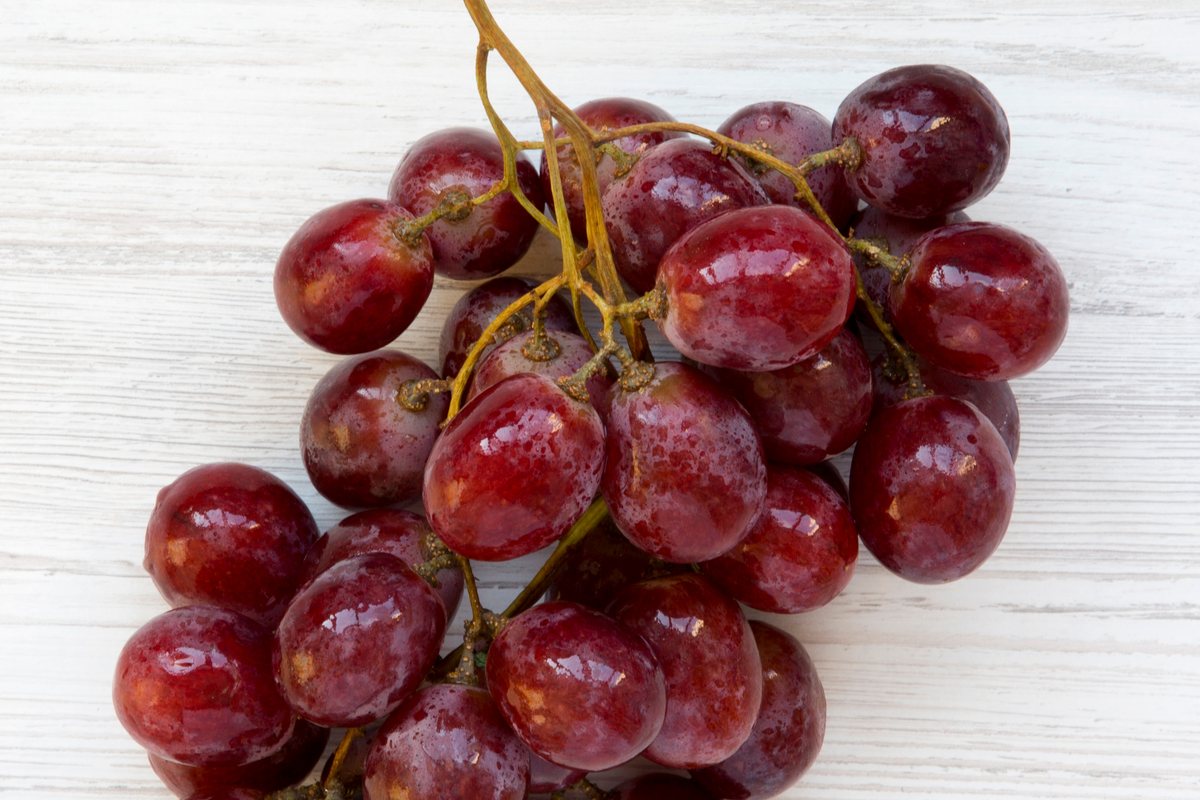
In Georgia, archaeologists found clay jugs containing wine residue that are around 8,000 years old - the oldest evidence of wine.
The grapevine was domesticated in the South Caucasus, in the area of present-day Georgia, Armenia, and Azerbaijan. From there, it spread through Mesopotamia, Egypt, and Greece throughout the Mediterranean region. The Romans planted vines along the Rhine and Moselle rivers. Its wild ancestor, the wild grapevine, still grows today in the riparian forests of the Upper Rhine – as one of the rarest plants in Germany.
In the 19th century, the phylloxera aphid, introduced from America, destroyed almost all European vineyards. Viticulture was saved by grafting European vines onto phylloxera-resistant American rootstocks – a practice still used today. Table grapes are distinct varieties with large, thin-skinned, often seedless berries; in the 19th century, "grape cures" were fashionable in spa towns like Merano and Bad Dürkheim.
To useWhat the grape does for you
Grapes provide quick energy from glucose and fructose, along with potassium, vitamin K, and water. But the interesting stuff is in the skin and seeds: Resveratrol, anthocyanins (in red varieties) and oligomeric procyanidins (OPC), which are mainly found in the kernels.
Resveratrol became famous through the "French Paradox"—the idea that red wine protected the French from heart attacks. While laboratory results were impressive, human studies have been sobering: the amounts in grapes and wine are far too small, and even high-dose supplements showed no convincing effects. In any case, alcohol is not a health tonic.
Grape seed extract with OPC is better researched. Small studies and reviews show a slight reduction in blood pressure and improvements in venous disorders. Regarding grapes as a fruit: a sweet, healthy fruit, preferably red, with skin and preferably with seeds – and not consumed in large quantities as a diet snack.
IngredientsThat's what's in the grape
The pulp contains mostly water, Glucose and fructose in roughly equal parts, tartaric acid and malic acid, potassium, and some vitamins C and K. These are found in the skin of red grapes. Anthocyanins, Flavonols such as quercetin and the stilbene resveratrol, which the vine produces to protect itself against fungal infections.
The kernels are rich in Procyanidins (OPC) and contain an oil rich in linoleic acid, which is sold as grapeseed oil. Grape seed flour and extract are therefore separate products. Raisins are also concentrated grapes: high in sugar, but also containing fiber, potassium, and iron.
Enhanced combinationsWhat makes the grape stronger
Grapes go well with cheese, nuts and game - and red ones with seeds are the more substantial choice.
The polyphenols are located in the skin and seeds - chew red varieties and seeded grapes well.
Protein and fat slow down the rise in blood sugar - a cheese plate is the smarter choice compared to a portion of grapes.
Halved grapes, bitter chicory, walnuts, blue cheese.
Partridge with grapes, pheasant in the vine leaves - the sweetness complements the gamey aroma.
Frozen grapes are a sorbet-like snack in summer.
Stuffed vine leaves with rice, herbs and lemon - the leaves are rich in polyphenols.
What contradicts itselfIt's best to avoid these combinations.
Grapes and raisins can trigger acute kidney failure in dogs – even in small amounts. Tartaric acid is considered the culprit.
Grapes contain a lot of glucose - small portions, with protein or fat.
Grapes are among the fruits most frequently contaminated with pesticides - wash thoroughly under running water or buy organic.
Whole grapes pose a choking hazard to small children - quarter them lengthwise.
The benefits of resveratrol in humans have not been proven, but the damage caused by alcohol has.
Larger quantities, especially grape juice, can cause bloating.
In the kitchenWhere she belongs
- cheese platterGrapes with mountain cheese, blue cheese and walnuts.
- DolmadesVine leaves with rice, mint, dill, lemon.
- Chicory and grape saladWith walnuts and mustard-honey dressing.
- Oven-roasted grapesRed grapes roasted in the oven with thyme, served with ricotta or chicken.
- Grape cakePalatinate grape cake with meringue topping.
- Pheasant with grapesA classic autumn dish.
- Frozen grapesSimply put it in the freezer overnight.
- Grape juice jellyWith gelling sugar and a little lemon.
- CouscousWith raisins, almonds and cinnamon.
- Federweißer with onion tartThe Palatinate autumn tradition.
As a home remedyThe grape cure - honestly assessed
A day of grapes
- Eat about 1 to 1.5 kg of red grapes with skin and seeds throughout the day, chewing well.
- Drink plenty of water or herbal tea.
- Skip other meals or have a light vegetable soup in the evening.
- The next day, return to normal, but eat light meals.
The grape cure was a popular spa treatment in the 19th century for digestion and "detoxification." There is no scientific evidence for this – and "toxins" don't exist in the body. However, a fruit-only day can be pleasantly light and stimulate digestion.
One day at most. Not recommended for people with diabetes, fructose intolerance, irritable bowel syndrome, during pregnancy, or if underweight. If you want to have a fruit day, it's best to choose a mix of fruits and vegetables.
Ayurveda & TCMWhat the old systems say
Ayurveda
In Ayurveda, grapes, especially dried grapes, are considered raisin (DrakshaGrape is considered one of the best fruits of all: sweet, cooling, nourishing, and mildly laxative. It calms Vata and Pitta, is given for thirst, exhaustion, and heat, and the fermented grape tonic... Drakshasava is a classic preparation.
Traditional Chinese Medicine
In Traditional Chinese Medicine (TCM), the grape (Pu TaoIt is sweet-sour and neutral. It is said to nourish Qi and blood, strengthen tendons and bones, and promote urination – traditionally used for weakness, palpitations, and edema.
Warning noticesWhen you should be careful
Please note
- Dogs: Grapes and raisins are poisonous for dogs - even in baked goods and muesli.
- Toddlers: Quarter whole grapes lengthwise (risk of suffocation).
- Diabetes: Small portions, preferably with protein or fat.
- Residues: Wash thoroughly or buy organic.
- Grape seed extract: It can increase the effect of blood thinners - consult your doctor.
This page provides information and does not replace medical advice. If symptoms persist, please consult a doctor.
Related to the topicRead on and cook along!
Shop links lead to our product pages; it is indicated there if a partner is involved.
SourcesWhat is this based on?
- McGovern P et al. Early Neolithic wine of Georgia in the South Caucasus. PNAS 2017; 114(48): E10309–E10318.
- Yang J, Xiao YY. Grape phytochemicals and associated health benefits. Critical Reviews in Food Science and Nutrition 2013; 53(11): 1202–1225.
- Tomé-Carneiro J et al. Resveratrol and clinical trials: the crossroad from in vitro studies to human evidence. Current Pharmaceutical Design 2013; 19(34): 6064–6093.
- Wegenast CA et al. Acute kidney injury in dogs following ingestion of cream of tartar and tamarinds and the connection to tartaric acid as the proposed toxic principle in grapes and raisins. Journal of Veterinary Emergency and Critical Care 2022; 32(6): 812–816.
- USDA FoodData Central: Grapes, red or green, raw.


