
Apple (Malus domestica)
OriginFrom the forests of Kazakhstan
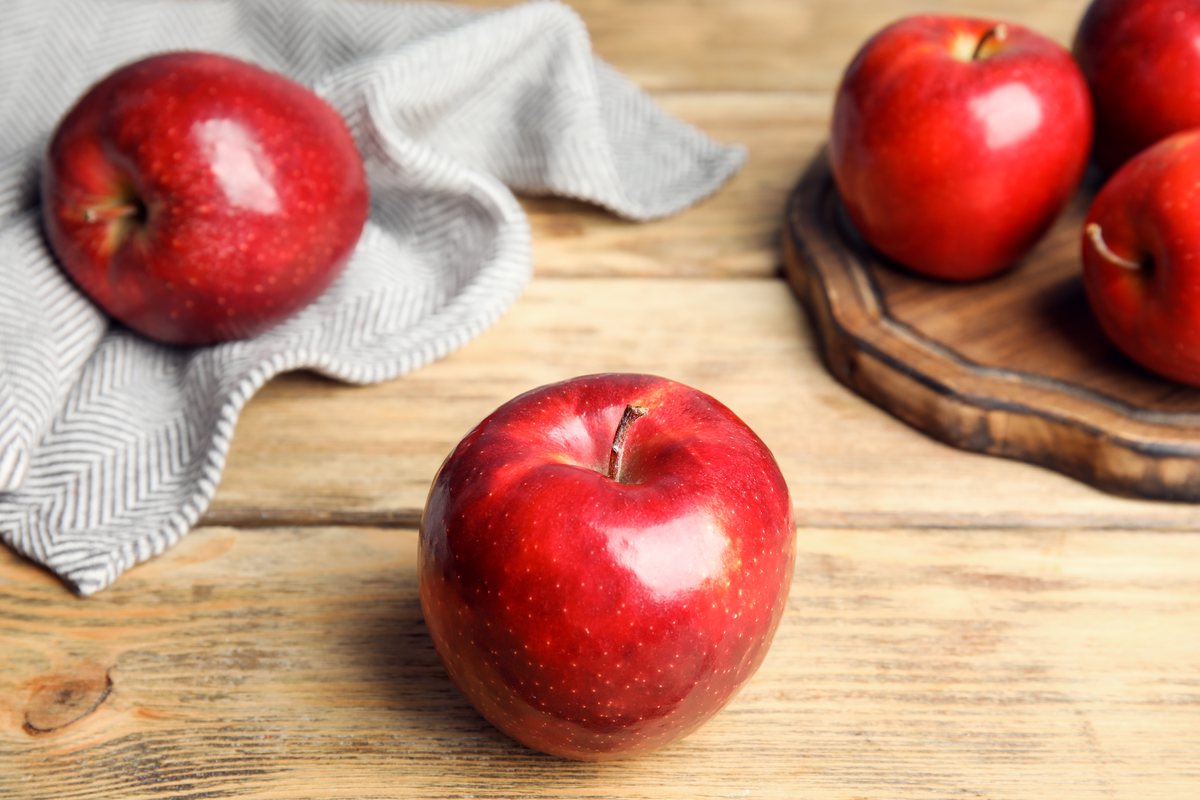
Almaty, the former capital of Kazakhstan, translates roughly as "Father of Apples" - and rightly so.
All cultivated apples are essentially descended from the Asian wild apple. Malus sieversii The apple tree, which still grows in the forests of the Tian Shan Mountains, originated there. Apples traveled west along the Silk Road, crossbreeding with other wild apples along the way – including the European crab apple – and were grafted by the Greeks and Romans. The Romans already knew dozens of varieties and brought the art of grafting to Central Europe.
Today, the apple is Germany's most important fruit: Each person in the country eats around twenty kilos a year, with the Altes Land region near Hamburg and Lake Constance being the major growing areas. Because apple seeds don't germinate true to type, each variety has been passed down through grafting for centuries – every Boskoop tree is genetically a piece of the first Boskoop tree from the Netherlands around 1850. Traditional orchards keep many of these old varieties alive, varieties that have long since disappeared from supermarket shelves.
To useWhat the apple does for you
The apple is Not a superfood, but an everyday food And that's precisely its strength. It provides soluble fiber (primarily pectin), polyphenols such as quercetin, catechins, and procyanidins, as well as potassium and some vitamin C. In a controlled study from 2020, two apples a day for eight weeks measurably lowered the LDL cholesterol of healthy adults compared to a sugar-equivalent apple drink. Large observational studies link regular apple consumption to a lower risk of cardiovascular disease and type 2 diabetes.
Pectin makes apples a true home remedy: Grated, lightly browned apples bind water in the intestines and have been given for generations to treat diarrhea – especially in children. At the same time, pectin feeds the intestinal bacteria, which use it to produce short-chain fatty acids. Therefore, depending on how it is consumed, apples can have a constipating effect (grated, peeled) or promote digestion (raw, with peel, and plenty of water).
And what about the saying "An apple a day keeps the doctor away"? A study published in the journal JAMA Internal Medicine actually tested this in 2015: Apple eaters didn't visit the doctor less often, but they did require slightly fewer prescription medications. Frankly, an apple doesn't replace a doctor—but it's the easiest fruit you can eat every day.
IngredientsThis is what's in the apple
A medium-sized apple (about 180 g) provides around 4 g of fiber, a good portion of which comes from... pectin, It also contains fructose, glucose and sucrose, potassium, and – depending on the variety and storage time – 5 to 20 mg of vitamin C. The peel contains the majority of the PolyphenolsQuercetin glycosides, epicatechin, procyanidins and phloridzin, a substance found almost exclusively in apples.
Old varieties like Boskoop, Berlepsch, or Goldparmäne usually have significantly more polyphenols than modern varieties – the latter have been bred for sweetness and to prevent browning of the flesh, and browning is simply the oxidation of polyphenols. The seeds contain amygdalin, which can produce hydrogen cyanide in the body; a few seeds eaten along with the flesh are harmless, but a handful of chewed seeds are not.
Enhanced combinationsWhat makes the apple stronger
The apple is a versatile fruit: it goes well with sweet, savory and hearty dishes - and its acidity complements fat.
Eating apples with the peel roughly doubles the amount of polyphenols. Organic apples, or apples that have been thoroughly washed, should have the peel left on.
Pectin and oat beta-glucan complement each other; the nuts provide fat and keep you full for a long time - the classic Bircher muesli.
Cinnamon and apple are the most famous flavor pair in Europe - apple pie, baked apple, applesauce.
A few drops of lemon juice stop cut apples from turning brown - the acid slows down the enzyme.
Apples with onions alongside liver, blood sausage or roast pork - the acid cuts through the fat.
Apple wedges with mountain cheese and walnuts: sweet, salty, bitter in one bite.
What contradicts itselfIt's best to avoid these combinations.
The apple allergen Mal d 1 is similar to the birch pollen allergen. It is destroyed by cooking – applesauce and baked apples are often fine.
Apples contain more fructose than glucose and also sorbitol – a common trigger in fructose malabsorption.
Apples release ethylene - bananas, kiwis and cucumbers next to them ripen and wilt faster.
The fruit acid attacks tooth enamel if you eat throughout the day. It's better to eat in small portions, followed by water.
Amygdalin in the kernels can release hydrogen cyanide - swallowed whole kernels are harmless, but ground kernels in large quantities are not.
Clear apple juice contains sugar, but hardly any fiber or polyphenols. Naturally cloudy juice is better, and whole apple juice is best.
In the kitchenWhere he belongs
- Bircher muesliGrated apple with peel, oatmeal soaked overnight, yogurt, nuts - the original from Switzerland.
- applesauceCooked unpeeled and put through a food mill - more color, more aroma, less sugar needed.
- baked appleBoskoop apples filled with nuts, raisins and cinnamon, baked in the oven for 30 minutes.
- Heaven and EarthRhenish style: Mashed potatoes with applesauce and fried blood sausage.
- Apple red cabbageRed cabbage braised with sour apples, cloves and bay leaves.
- Waldorf saladApple, celery, walnuts, light yogurt dressing.
- apple pieUpturned apple pie or one covered with cinnamon - using tart apple varieties.
- apple chipsDry thin slices with peel on in the oven at 90 °C.
- Apple and onion vegetablesWith liver, roast pork or lentils.
- Apple cider vinegar dressingApple cider vinegar, mustard, honey, oil - the everyday classic.
As a home remedyGrated apple for diarrhea
Grated apple
- Wash and peel a ripe, rather sweet apple (the peel is too fibrous here).
- Grate on a fine grater.
- Leave to stand in the air for 5 to 10 minutes until the porridge turns slightly brownish.
- Eat small portions throughout the day and drink plenty of fluids.
Mild diarrhea in children and adults. The pectin binds water in the intestine and firms up the stool; the browning indicates that the polyphenols, which together with the pectin have a mild constipating effect, have oxidized.
One to three apples a day, as a bland diet along with rusks or rice. Diarrhea accompanied by fever, blood in the stool, or lasting more than three days (earlier in infants and the elderly) requires a doctor's visit – in these cases, fluid and electrolyte balance is paramount.
Ayurveda & TCMWhat the old systems say
Ayurveda
The Apple (SebaIn Ayurveda, apple is considered cooling, sweet, and astringent – good for Pitta, but raw it tends to increase Vata because it is dry and light. Therefore, traditional Ayurvedic wisdom recommends stewed apple with cinnamon, cardamom, and cloves in the morning to gently stimulate digestion.
Traditional Chinese Medicine
In Traditional Chinese Medicine (TCM) the apple (Ping GuoCool, sweet, and slightly sour. It is said to produce body fluids, cool heat, moisten the lungs, and strengthen the digestive system – raw for dryness and thirst, cooked for weak digestion and diarrhea.
Warning noticesWhen you should be careful
Please note
- Allergy: Raw apples often cause tingling in the mouth for people with birch pollen allergies - cooked apples are usually tolerated, older varieties are often better.
- Fructose: Use with caution in cases of fructose malabsorption; it also contains sorbitol.
- Cores: Do not consume in large quantities chewed or ground (amygdalin).
- Teeth: Fruit acid - do not brush your teeth immediately after eating, drink water instead.
- Residues: Conventional apples are among the more frequently contaminated types of fruit - wash them thoroughly or buy organic if the peel is eaten.
This page provides information and does not replace medical advice. If symptoms persist, please consult a doctor.
Related to the topicRead on and cook along!
Shop links lead to our product pages; it is indicated there if a partner is involved.
SourcesWhat is this based on?
- Hyson DA. A comprehensive review of apples and apple components and their relationship to human health. Advances in Nutrition 2011; 2(5): 408–420.
- Boyer J, Liu RH. Apple phytochemicals and their health benefits. Nutrition Journal 2004; 3: 5.
- Koutsos A et al. Two apples a day lower serum cholesterol and improve cardiometabolic biomarkers in mildly hypercholesterolemic adults: a randomized, controlled, crossover trial. American Journal of Clinical Nutrition 2020; 111(2): 307–318.
- Davis MA et al. Association between apple consumption and physician visits. JAMA Internal Medicine 2015; 175(5): 777–783.
- USDA FoodData Central: Apples, raw, with skin.


