
Barley (Hordeum vulgare)
OriginThe grain of the first farmers
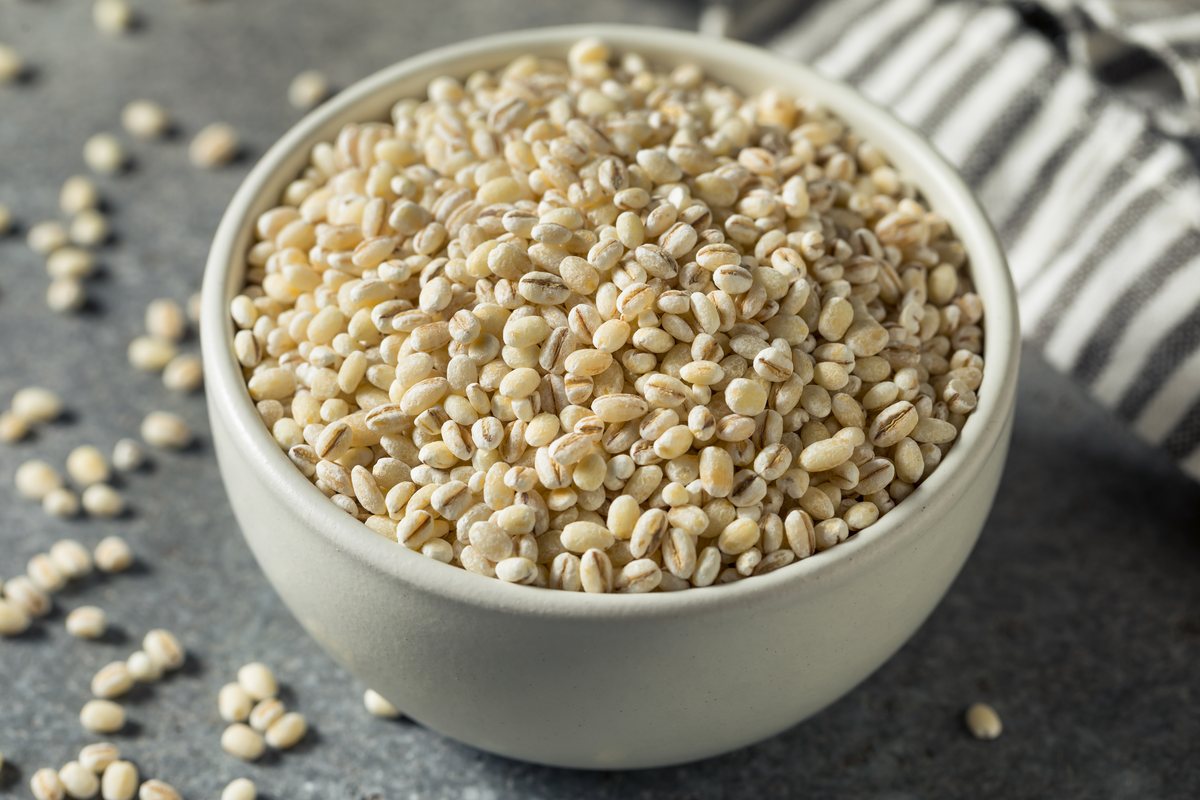
The word "Graupe" comes from Slavic and simply means "hulled grain".
Barley was domesticated in the Fertile Crescent more than 10,000 years ago, around the same time as emmer and einkorn. In Mesopotamia, it was bread, beer, and even currency, and Roman gladiators were mocked as "hordearii"—barley eaters—because they consumed so much of it. Barley is undemanding, matures quickly, and grows from Tibet to Scandinavia.
In Germany, barley porridge was a staple food for a long time before potatoes and wheat replaced it. Today, most barley is used as animal feed and for brewing. In the kitchen, we encounter it primarily as... pearl barley: peeled and rounded grains that are found in stews and soups - a humble food that is currently being rediscovered.
To useWhat barley does for you
Depending on the variety, barley contains approximately 3 to 6 g. Beta-glucan Per 100g, whole grains and pearl barley contain approximately 15g of fiber. They also contain magnesium, iron, zinc, selenium, and B vitamins. Beta-glucan forms a viscous solution in the intestines, binds bile acids, and slows the absorption of sugar.
The European Food Safety Authority (EFSA) has tested and confirmed the efficacy of barley beta-glucan: 3 g of beta-glucan per day They contribute to maintaining normal cholesterol levels and can lower LDL cholesterol. This corresponds to about 60 to 80 g of pearl barley or barley flakes. Studies also show that barley meals cause blood sugar to rise more slowly and keep you feeling full for longer.
Barley contains the gluten protein hordein and is therefore unsuitable for people with celiac disease. Malt extract, malt coffee, and barley-based beer also contain gluten. Those with sensitive digestive systems should increase their intake gradually, as soluble fiber can initially cause bloating.
IngredientsThis is what's in the barley
Barley contains starch, protein (including the gluten protein hordein), soluble fiber (especially beta-glucan), insoluble fiber such as arabinoxylans, tocotrienols, lignans, phenolic acids, as well as magnesium, iron, zinc, selenium, manganese and vitamins B1, B3 and B6.
Unlike wheat, beta-glucan is not only found in the bran but throughout the entire grain. Therefore, even polished pearl barley still provides plenty of it – fine pearl barley slightly less than coarse barley or whole-grain barley.
Enhanced combinationsWhat makes barley stronger
Barley is a stew-friendly grain - it likes time, broth and vegetables.
Carrot, celery, leek - the classic barley soup.
More protein, even more fiber.
Freshness and spice.
In muesli, mixed with oats.
As pearl barley risotto.
It helps with iron.
What contradicts itselfIt's best to avoid these combinations.
Contains gluten.
Malt extract and beer contain gluten.
Increase the intensity slowly, otherwise you'll get bloating.
Dietary fiber needs water.
Rinse the pearl barley beforehand.
The beta-glucan is in the grain, not in the jar.
In the kitchenWhere she belongs
- Barley soupWith root vegetables and leeks.
- Barley risottoAlso called "Orzotto".
- Barley saladWith tomato, cucumber and herbs.
- Barley flake muesliWith apple and nuts.
- Stuffed peppersUsing pearl barley instead of rice.
- Lentil and pearl barley stewHearty and filling.
- Scotch BrothScottish barley soup.
- Barley porridgeWith fruit and cinnamon.
- pearl barley panWith mushrooms and spinach.
- Malt coffeeMade from roasted barley.
As a home remedyBarley water and pearl barley gruel
Barley water
- Rinse 50g of pearl barley or barley grains thoroughly in a sieve.
- Bring 1 liter of water to a boil and simmer, covered, over low heat for 30 to 45 minutes.
- For barley water, strain and drink the liquid; for pearl barley gruel, finely puree the soft pearl barley.
- Season to taste with a little lemon juice or a pinch of salt and enjoy lukewarm.
An old home remedy for convalescents and those with an irritated stomach or mild diarrhea: mild, mucousy, and easily digestible. Barley water is also traditionally recommended as a mild thirst quencher.
Drink one to two cups throughout the day. Not suitable for people with celiac disease. Consult a doctor if symptoms, fever, or diarrhea persist for more than two to three days.
Ayurveda & TCMWhat the old systems say
Ayurveda
In Ayurveda, barley (Yava) is one of the most important grains. It is considered cooling, drying, and light – ideal for balancing Kapha and Pitta. Barley water is traditionally recommended for urinary tract problems and for drainage.
Traditional Chinese Medicine
In Traditional Chinese Medicine (TCM), barley (Da Mai) is considered sweet, salty, and cooling, and strengthens the spleen and stomach. Sprouted barley (Mai Ya) is used for bloating and indigestion after heavy meals.
Warning noticesWhen you should be careful
Please note
- Celiac disease: Barley contains gluten - as do pearl barley, malt and malt extract.
- Digestion: Beta-glucan can cause bloating at first; increase the amount slowly and drink plenty of fluids.
- Medications: Eat fiber-rich meals with some time between taking medication and other medications.
- Allergy: Cross-reactions with wheat and grass pollen are possible.
- Sprouted barley: Do not consume in large quantities during breastfeeding - it is said to reduce milk production.
This page provides information and does not replace medical advice. If symptoms persist, please consult a doctor.
Related to the topicRead on and cook along!
Shop links lead to our product pages; it is indicated there if a partner is involved.
SourcesWhat is this based on?
- EFSA Panel on Dietetic Products, Nutrition and Allergies. Scientific opinion on the substantiation of a health claim related to barley beta-glucans and lowering of blood cholesterol and reduced risk of (coronary) heart disease. EFSA Journal 2011; 9(12): 2470.
- Commission Regulation (EU) No 432/2012 establishing a list of permitted other health claims made on foods (beta-glucans).
- AbuMweis SS, Jew S, Ames NP. β-glucan from barley and its lipid-lowering capacity: a meta-analysis of randomized, controlled trials. European Journal of Clinical Nutrition 2010; 64(12): 1472–1480.
- German Celiac Society (DZG): Which foods contain gluten?
- USDA FoodData Central: Barley, pearled, raw and Barley, hulled.


