OriginThe shoreline plant that slows down the thyroid gland
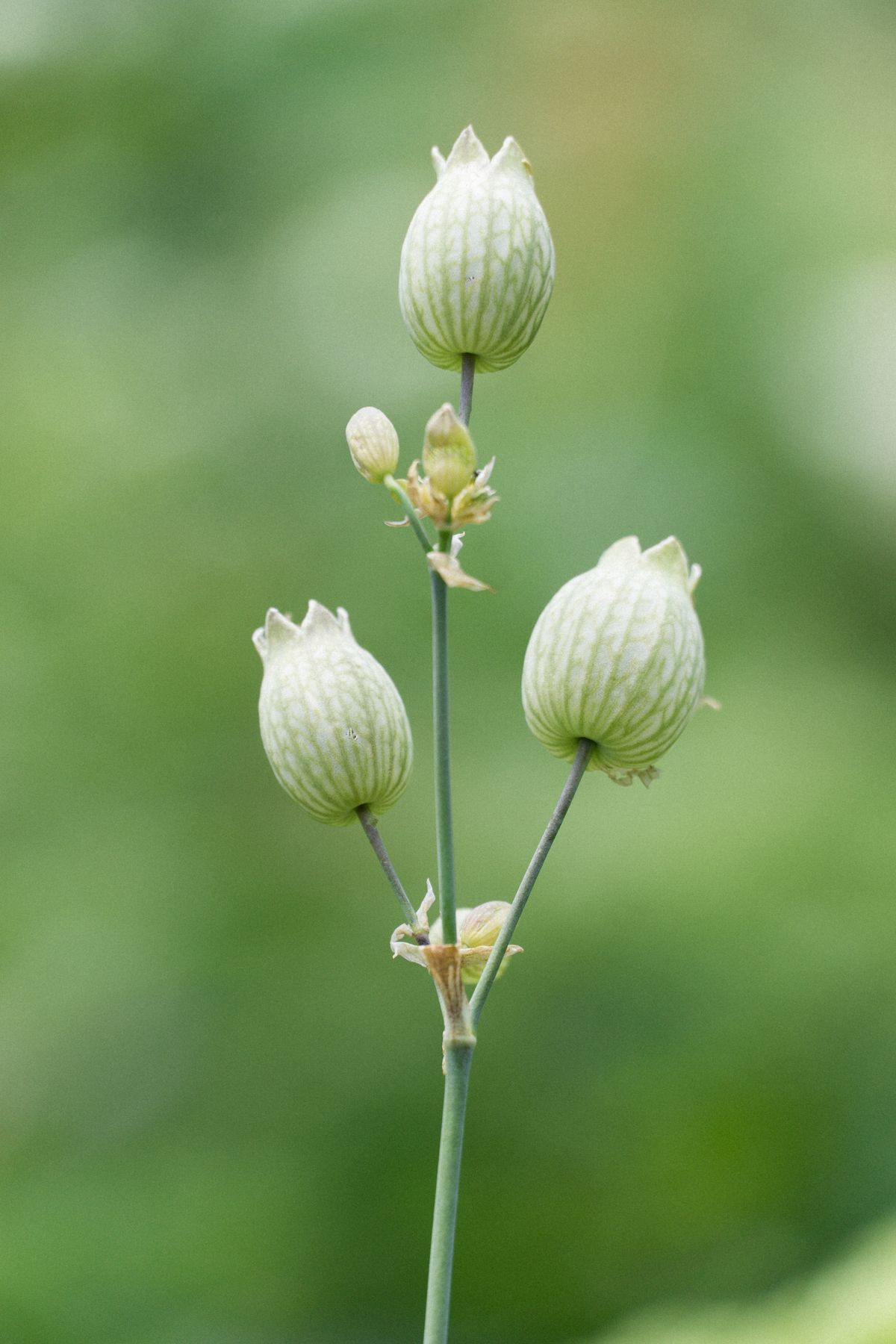
The bugleweed looks like a stinging nettle without the sting and grows where feet get wet - and is the one plant that doctors take seriously in cases of a nervous thyroid.
Wolf's ear grows on stream banks, pond edges, and in ditches throughout Europe and Western Asia, often among meadowsweet and willowherb. The name comes from the leaf shape, which is said to resemble a wolf's paw; the English call it "Gypsywort" because traveling merchants supposedly used its sap to darken their skin – the sap does indeed dye, as it is an old fabric and wool dye.
It entered the field of medicine relatively late. In folk medicine, it was considered a remedy for palpitations and restlessness, but it wasn't until the 20th century that the reason became clear: the plant inhibits the production of thyroid hormones. Since the 1990s, it has been listed in the German Pharmacopoeia as one of the few herbs approved for treating hormonal disorders – an exception among meadow plants.
To useWhat Wolfstrapp does for you
Wolfstrap is a Thyroid herb —and that's meant literally. Its ingredients, especially lithospermic acid and other phenolic acids, inhibit the thyroid gland on several levels: They suppress iodine uptake, the production of the hormone thyroxine, and its conversion in the body. Therefore, it helps with the autonomic symptoms of… slight overfunction: Heart palpitations, inner restlessness, trembling, sleep disturbances, sweating.
The German Commission E has recognized this – for mild forms of hyperthyroidism with accompanying nervous symptoms and for breast tenderness (mastodynia). This is more than most medicinal plants can offer. And it also means that bugleweed interferes with a hormonal system that must be monitored by a doctor.
Frankly, bugleweed is therefore not a tea for everyday use. Those with a healthy thyroid gain nothing from it; those with an underactive thyroid will only be harmed. Its proper place is: after diagnosis, with blood test results, as a supplement or alternative in mild cases – not as a replacement for necessary treatment.
IngredientsThat's what's in the weed
Lithospermic acid and Rosmarinic acid The main active ingredients are both phenolic acids, which, after brewing, are converted in the body by enzymes into substances that inhibit the hormone TSH and the thyroid gland's iodine uptake. In addition, Caffeic acid, Flavonoids, some essential oil and tannins.
Remarkably, the effect only arises through the oxidation of the phenolic acids – fresh juice is less potent than a clean, dried tea or a standardized extract. This is one of the reasons why commercially available preparations are more reliable than self-collected herbs.
Enhanced combinationsWhat makes wolfstrap stronger
Wolfstrapp is a specialist. Its partners are plants that soothe the same ailments in a different way – not spices.
Lemon balm itself has a mild thyroid-suppressing effect and calms the heart. It's the classic combination of two ingredients in over-the-counter preparations for nervous hyperthyroidism.
Motherwort against palpitations and anxiety, bugleweed against the cause - a mixture that phytotherapists frequently use for hyperthyroidism symptoms.
When hyperthyroidism robs you of sleep: bugleweed during the day, valerian and hops in the evening.
Hawthorn stabilizes the rhythm and strengthens the heart, which races under the overactive condition - a useful supplement after consultation with a doctor.
The amount of active ingredient in wild herbs varies greatly. Anyone who is serious about using them should take a preparation with a defined concentration and have the levels checked.
The best partner is the lab result: TSH, fT3, fT4 before starting, after six weeks, and regularly thereafter. Do not take the medication without monitoring.
What contradicts itselfIt's best to avoid these combinations.
Wolfstrapp further slows down what is already too slow. Strictly forbidden for Hashimoto's and hypothyroidism.
Neither L-thyroxine nor thyrostatic drugs can be used – the effects overlap uncontrollably.
An enlarged thyroid gland with normal values is not a suitable application – in such cases, bugleweed can even promote enlargement.
Wolfstrap interferes with scintigraphy and radioiodine tests. Discontinue use two weeks beforehand and inform your doctor.
After prolonged use, the thyroid gland may overreact. Reduce the dosage gradually.
Bugleweed also inhibits milk production (prolactin). Not suitable for pregnant or breastfeeding women.
ApplicationNot a culinary herb – and how to consume it anyway.
- tea1–2 g of dried herb (about one teaspoon) to 150 ml of boiling water, steep for 10 minutes.
- tinctureReady-made tincture from the pharmacy - drop by drop according to the package instructions, usually two to three times a day.
- Ready-made preparationTablets with standardized extract (Lycopi herba) - the most reliable form.
- Mixed teaUse equal parts lemon balm and motherwort for nervous heart palpitations - after consultation.
- Time of intakeMorning and midday, not evening - the effect on the circulatory system is easier to assess during the day.
- Length of timeOver weeks, not days. The effect develops slowly; check again after six weeks.
- NotNo salad, no soup, no kitchen - the herb is bitter and belongs in the pharmacy.
- dyeingThe juice permanently dyes wool and linen black - its only use outside of medicine.
- garden pondAs a riparian plant in your own garden - a bee pasture and eye-catcher, without any intention of harvesting.
- CollectOnly those who can confidently identify the plant – and only with a field guide; confusion with water mint is harmless, but the effect is lost.
As a home remedyWolfstrap tea - only with a diagnosis
Wolfstrap tea
- Obtain diagnosis and blood test results: Only if mild hyperthyroidism has been confirmed and the thyroid gland is of normal size.
- Pour 1 teaspoon of dried herb with 150 ml of boiling water, cover and let steep for 10 minutes.
- Drink one cup twice a day, in the morning and at midday, for several weeks.
- Check values after six weeks; if there is improvement, reduce slowly, never stop abruptly.
Nervous symptoms associated with mild hyperthyroidism: palpitations, restlessness, sweating, sleep disturbances. Chest tightness before menstruation.
1 to 3 grams of dried herb per day, divided into two cups. That is the recognized dose – and it should be administered under medical supervision.
Ayurveda & TCMWhat the old systems say
Ayurveda
Bugleweed is not known in Ayurveda – it is a purely European medicinal plant. Ayurvedic approaches to thyroid disorders rely on other plants such as guggul or ashwagandha, which can have the opposite effect; they should not be combined.
Traditional Chinese Medicine
The European bugbane is not part of Traditional Chinese Medicine (TCM), but its relative is. Lycopus lucidus It's called "Ze Lan": it's used there for blood congestion, menstrual cramps, and edema—not for the thyroid. Two types, two traditions.
Warning noticesWhen you should be careful
Please note
- Subfunction: Absolute contraindication. Never take if you have Hashimoto's disease, hypothyroidism, or are taking L-thyroxine.
- Goiter: Do not use in cases of thyroid enlargement without functional impairment.
- Diagnostics: It distorts radioiodine examinations and scintigraphy - discontinue use beforehand, inform your doctor.
- Discontinue: Reduce dosage slowly after prolonged use; abrupt discontinuation can worsen symptoms.
- Pregnancy and breastfeeding: Do not use - it inhibits prolactin and therefore milk production.
- Self-medication: Thyroid levels should be checked in a lab. Anyone experiencing heart palpitations and weight loss should see a doctor first.
This page provides information and does not replace medical advice. If symptoms persist, please consult a doctor.
Related to the topicRead on and cook along!
Shop links lead to our product pages; it is indicated there if a partner is involved.
SourcesWhat is this based on?
- Commission E: Monograph Lycopi herba (wolfstrap herb), Federal Gazette No. 22 of February 1, 1990 - mild hyperthyroidism with autonomic nervous system disorders, mastodynia.
- Beer AM, Wiebelitz KR, Schmidt-Gayk H. Lycopus europaeus (Gypsywort): effects on the thyroidal parameters and symptoms associated with thyroid function. Phytomedicine 2008; 15(1-2): 16-22.
- Blaschek W (ed.): Wichtl - Herbal drugs and phytopharmaceuticals. 6th edition 2016, entry Lycopi herba.
- Schilcher H, Kammerer S, Wegener T: Guide to phytotherapy. 5th edition, Elsevier 2016 - Thyroid gland.