← Back to overview Treatment of disease types
Naturally relieve heartburn and reflux
Heartburn occurs when stomach acid flows back into the esophagus. Diet and eating habits are among the most effective ways to noticeably reduce the symptoms.
🔥 This is how your sphincter muscle works during heartburn
Between the esophagus and stomach lies the lower esophageal sphincter, a ring-shaped muscle that normally opens only briefly during swallowing and then closes tightly. This keeps the aggressive stomach acid – with a pH value of approximately 1.5 to 3.5 – where it belongs: in the stomach, whose mucous membrane is specially protected for this purpose.
In cases of reflux, this sphincter muscle relaxes too frequently or too much, allowing stomach acid to flow back into the esophagus – whose lining, unlike that of the stomach, offers little protection against this. This creates the burning sensation behind the breastbone. Being overweight, eating large meals, consuming certain foods (coffee, alcohol, fat), and also chronic stress can further weaken the sphincter muscle.
The next section explains how this can develop into a chronic problem over the years and what that means for the esophageal mucosa.
How reflux develops over years
Heartburn is often not a sudden occurrence, but develops gradually: The lower esophageal sphincter weakens over time – a process exacerbated by being overweight, constantly overstuffed stomachs, eating large meals late at night, and frequently lying down after eating. If this condition persists for years, the repeated acid irritation can permanently damage the esophageal lining (reflux esophagitis). Early intervention can often halt this progression.
Small meals, clear rules
Four to six small meals spread throughout the day are easier to digest than a few large ones. Fatty and sugary foods, late meals, as well as alcohol and nicotine promote heartburn and should be reduced.
Chamomile as mucous membrane protection
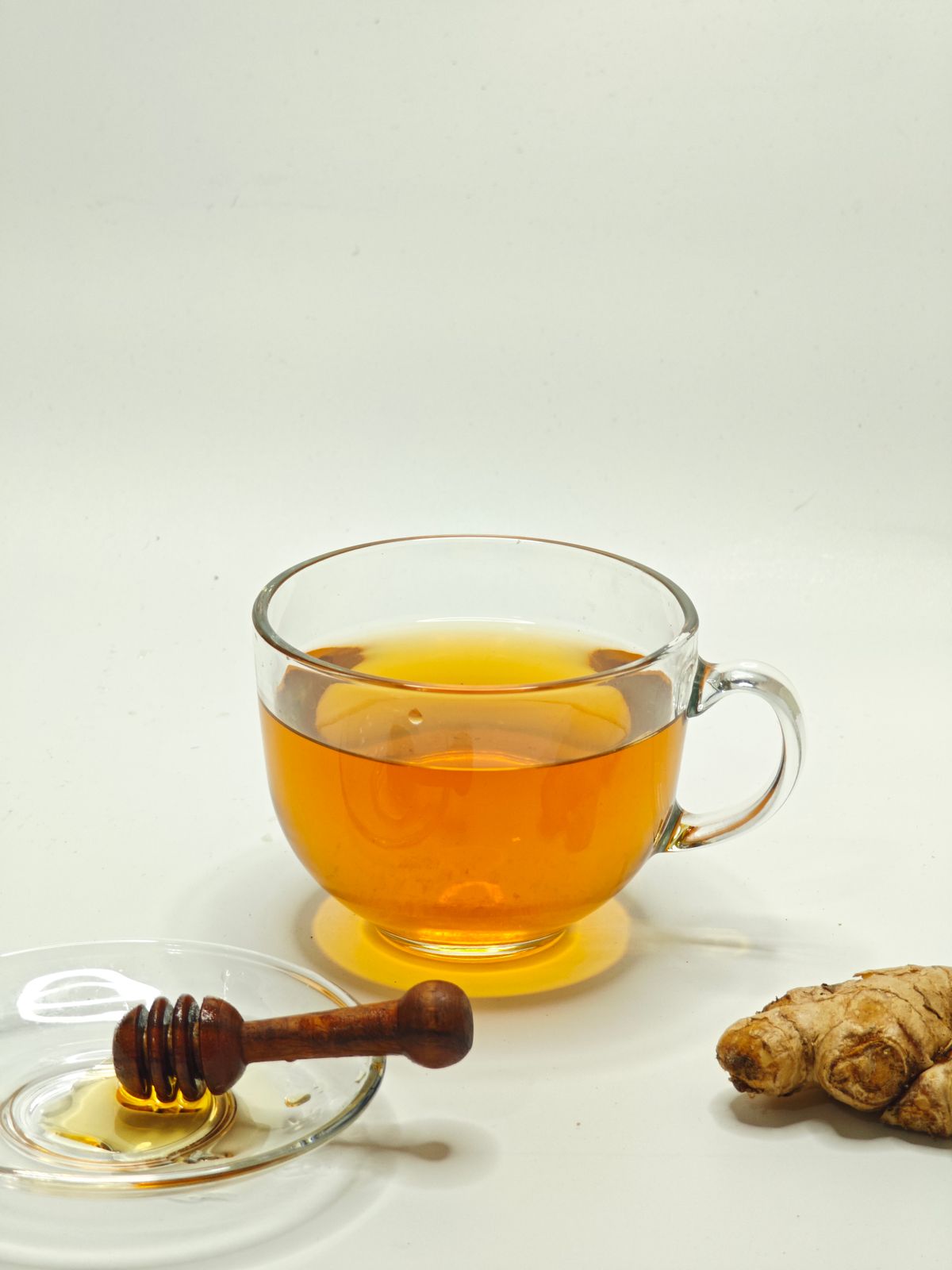
Chamomile tea has anti-inflammatory and antispasmodic properties; the mucilage it contains forms a protective layer on the irritated mucous membrane of the stomach and esophagus.
Marshmallow & Mallow: the mucilage specialists
Marshmallow root and mallow leaves have a particularly high mucilage content. As a tea, they form a protective layer over the irritated mucous membrane and support healing.
Consistent rather than half-hearted
For frequent heartburn, a consistent change in diet is often more helpful than small adjustments: completely abstain from fatty foods, sweets, coffee, alcohol and late meals for a few weeks and instead establish mild herbal teas.
Important: Persistent or worsening heartburn should be investigated by a doctor - it could also be a sign of other esophageal diseases.
Suitable herbs in the Botanical Archive
This information is not a substitute for medical diagnosis. If you experience frequent, severe, or new heartburn, or difficulty swallowing, please consult a doctor.
Two ways - and one of them costs nothing
Here's what you can buy from this article, if you wish. In this order.
From the kitchen
Tea, spice, plant - the same things you find in the supermarket.


As a preparation
Only useful if the first approach is insufficient.
III · The path that costs nothing
Leave three hours between your last meal and going to bed, and raise the head of the bed by ten to fifteen centimeters—using blocks under the bed legs, not a second pillow. Both of these measures are better supported by studies than everything in columns I and II combined. Heartburn lasting for weeks, difficulty swallowing, or weight loss should be evaluated by a doctor.
Advertising: The product links lead to partner shops. We receive a commission on any purchases made through these links, but the price remains the same for you. Images are for illustrative purposes only – packaging may vary.