
OriginThe seed from Tutankhamun's tomb
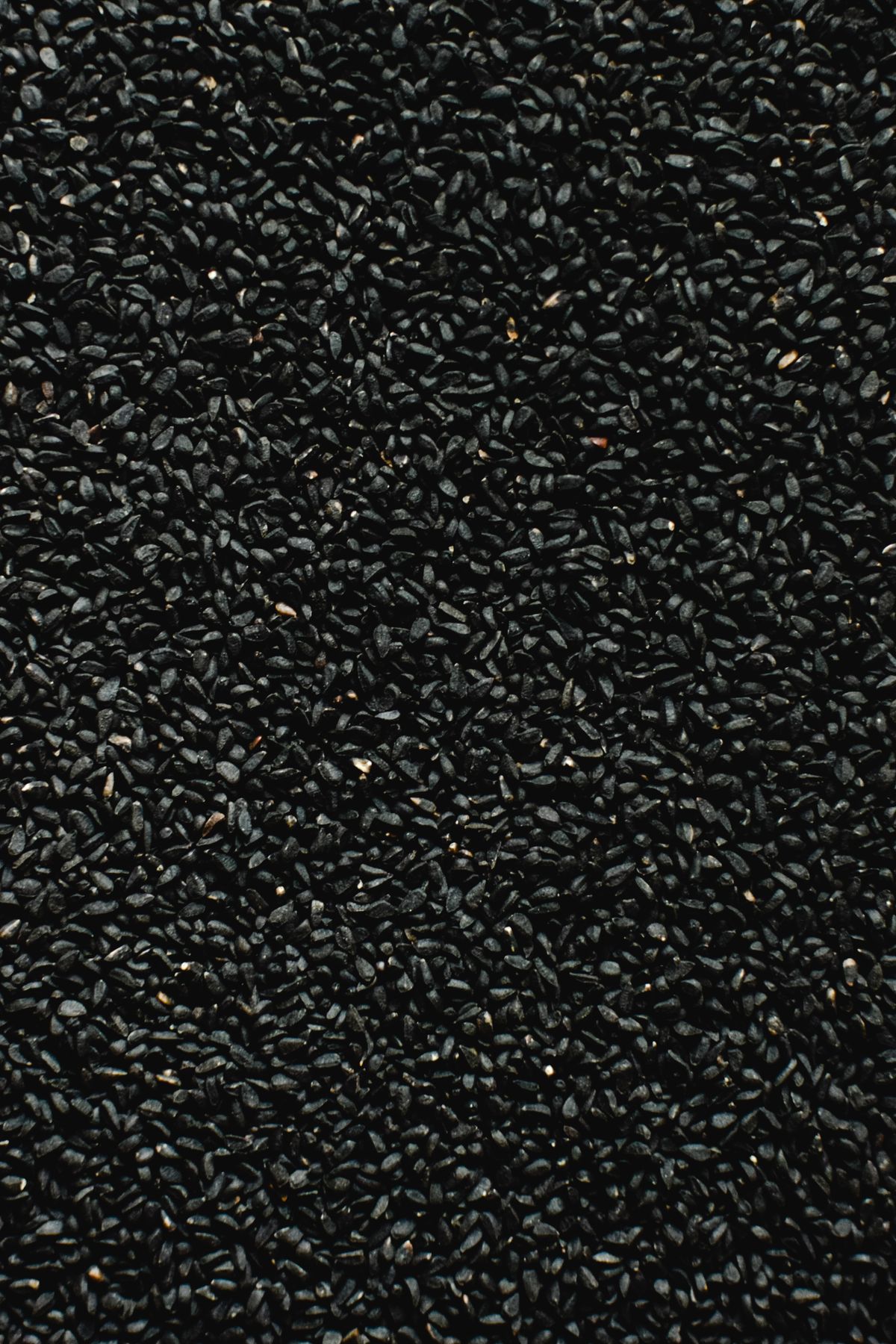
Black cumin was found in Tutankhamun's tomb, mentioned in the Bible, and praised by Arab doctors - yet it has remained almost unknown in Europe.
Nigella sativa It originates from the region between the Mediterranean and West Asia and has been cultivated there for at least three thousand years. Seeds have been found in Egyptian tombs, including the tomb of Tutankhamun. The Old Testament mentions it in the Book of Isaiah. Ketzach, which is not threshed but beaten with a stick - according to the prevailing opinion, this refers to black cumin, and the description fits: the delicate capsules easily release the seeds.
In Arabic medicine, the plant enjoys a reputation that few others have. A saying attributed to the Prophet Muhammad mentions Habbat al-baraka, The phrase "the seed of blessing" was used to describe black cumin as a remedy for every disease except death. This statement has shaped the spread of black cumin more than any pharmacological discovery, and it continues to influence how the oil is marketed today. Historically, this is a significant statement about the plant's cultural standing. However, it is not valid as evidence of efficacy, and reputable sources should distinguish between the two.
In Europe, black cumin never really caught on. Hildegard von Bingen knew of it, and medieval herbals included it, but caraway prevailed in the kitchen, and other plants took its place in the pharmacy. The confusion surrounding its name didn't help: "Black cumin" sounds like caraway, but botanically it's a member of the buttercup family and thus more closely related to columbine and larkspur. The garden neighbor Nigella damascena, Love-in-a-mist is purely an ornamental plant - its seeds do not belong in the kitchen.
To useLots of lab work, many small studies, little certainty.
When it comes to black cumin, it's worth openly stating the difference between the amount of research and the current state of knowledge. There are several thousand publications on the subject. Nigella sativa and its key molecule thymoquinone, and they describe anti-inflammatory, antioxidant, blood sugar-lowering, and immunomodulating effects in cell culture and animal models. What is lacking is a European drug monograph: neither the EMA nor Commission E lists black cumin. In Europe, it is a foodstuff, not a recognized medicinal product, and this accurately reflects the lack of evidence in human studies.
The area of allergic respiratory symptoms is most frequently discussed. Several small, sometimes placebo-controlled, studies on allergic rhinitis and asthma have shown that black cumin seed oil improved symptom scores and, in some cases, also influenced laboratory values such as eosinophil counts. The number of participants is usually in the low double digits to just under triple digits, the preparations vary considerably, and several studies originate from regions with significant publication bias. This is a signal that deserves to be taken seriously—but it is no reason to forgo using an asthma inhaler.
A second area of focus is metabolic parameters. Meta-analyses of smaller studies indicate slight reductions in fasting blood glucose, HbA1c, and LDL cholesterol. The effects are small, the heterogeneity of the included studies is high, and the quality of the individual studies is regularly rated as low to moderate by the authors themselves. Those with diabetes or cholesterol problems should not treat them with black seed oil. Anyone already receiving treatment who wishes to take black seed oil in addition should inform their doctor, as an additional reduction in blood glucose levels may be relevant when combined with existing medication.
What remains is a good spice with an interesting molecule. Thymoquinone is a serious subject of research, being further investigated in oncology and immunology – in the laboratory. This research says nothing about what a teaspoon of oil at the breakfast table will do. We state this so clearly because black cumin seed oil is sold with very grand promises, and because the plant's cultural significance is often reinterpreted in advertising as a medical claim.
IngredientsTwo oils in one seed
Black cumin seeds contain two very different oil fractions, and anyone who can't distinguish between them won't understand the products on the shelf. First, there's the fixed oil, comprising around 30 to 40 percent, consisting mainly of linoleic and oleic acid – this is the mass that runs out during pressing. Second, there's the essential oil, with less than two and a half percent, which contains all the aroma and the pharmacologically interesting thymoquinone. Cold-pressed black cumin seed oil contains both; a distilled essential oil contains only the second fraction and is not intended for internal use.
Thymoquinone is a quinone and therefore a reactive molecule. It decomposes under light, heat, and oxygen, and this is precisely why the quality of black cumin seed oil varies so greatly. An oil that has sat for months in a clear bottle on a warm shelf will have little of its original quality left. Dark glass, cool storage, small containers, and consumption within a few months are not marketing ploys, but rather dictate the substance's chemistry.
In addition, p-cymene and α-pinene are present as further terpenes, along with saponins of the melanthin group and alkaloids of the isoquinoline and indazole types, including nigellin and nigellidine. The alkaloids are the reason why caution should be exercised with very high doses – they are harmless in quantities typical of spices, but their levels become unpredictable when consumed in liters of oil. Studies on rodents show liver and kidney damage at extreme doses; there are no reliable limits for humans.
For cat owners, one important point to note is that cats metabolize terpenes and phenols much less efficiently than dogs or humans because they lack some of the necessary enzymes. Despite this, black cumin seed oil is widely recommended as a tick repellent for animals. However, this is not advisable for cats, and even for dogs, the amount and method of application should be discussed with a veterinarian beforehand.
Enhanced combinationsWhere black cumin really belongs
Black cumin is an underrated spice: it brings an oniony-peppery note that neither cumin nor caraway can provide. These combinations are classic.
The standard topping for Turkish pide and simit. Sesame seeds add a nutty flavor, while black cumin provides an oniony heat. Both need heat to release their aroma – first on the dough, then in the oven.
The Bengali five-spice blend of fenugreek, nigella, fennel, black mustard, and cumin is fried whole in hot fat until the seeds pop. Black cumin gives it a dark, earthy flavor.
Black cumin is a standard ingredient in salted yogurt cheese with olive oil in the Middle East. The acidity of the cheese clearly brings out the peppery note.
Sweet root vegetables pair well with the oniony spiciness. Add the seeds during the last few minutes of roasting so they become aromatic without burning and becoming bitter.
The aroma is fat-soluble and heat-activated. A brief toasting in oil transforms an inconspicuous seed into a potent spice – it doesn't work as well when dry-roasted in a pan.
Applied externally to dry, flaky skin, black cumin seed oil is well tolerated and provides good moisturizing properties. This is the simplest application – without expecting anything more than basic skincare.
What contradicts itselfIt's best to avoid these combinations.
Nigella damascena, The ornamental plant from the cottage garden looks similar and produces similar seeds. It is not a culinary spice and contains different alkaloid ratios. Only [the other plant] belongs in the kitchen. Nigella sativa from the food trade.
Cats have limited ability to metabolize terpenes and phenols. Despite this, black cumin seed oil is often advertised as a tick repellent for animals – its use is not recommended for cats, and for dogs, prior consultation with a veterinarian is essential.
Studies suggest a slight natural blood sugar-lowering effect. This is insignificant in the small amounts of spices consumed, but if oil is taken daily alongside metformin or insulin, the doctor should be informed.
There is evidence that it may affect platelet function. Anyone taking warfarin (Marcumar), a direct oral anticoagulant, or long-term aspirin should discuss the regular consumption of larger quantities of oil with their doctor beforehand.
The alkaloids and the reactive thymoquinone are harmless in spice quantities and have not been well studied when consumed by the spoonful on a regular basis. There is no proven reason to exceed one teaspoon per day.
Animal studies show effects on the uterus at high doses. It's considered safe as a spice in food, but there's no data to support its use as a daily oil during pregnancy – so it's best to avoid it.
To which courtWhere the black seed makes the difference
- flatbreadSprinkle the sesame seeds onto the brushed dough before baking. The oniony-peppery flavor that characterizes Turkish pide develops in the oven.
- LabnehOn drained yogurt cheese with good olive oil. The acidity carries the aroma; a few seeds are enough for the whole bowl.
- LinsendalFinally, it is frothed in hot ghee with mustard seeds and cumin and poured over the finished dal - the Bengali finale.
- Roasted pumpkinSprinkle over the pumpkin wedges during the last five minutes of cooking. The sweetness of the vegetable and the spiciness of the seeds complement each other well.
- Pickled vegetablesWhen added to pickled cucumbers and beetroot brines, black cumin gives the brine a dark, spicy depth.
- potatoesPotato cubes fried with oil and black cumin are a standard Bengali side dish - unlike those with cumin, they are much spicier.
- NaanKneaded directly into the dough instead of on top. This distributes the flavor more evenly, but it detracts from the appearance.
- Egg saladHalf a teaspoon of whole seeds adds a note that otherwise only onion could provide - without the subsequent spiciness.
- Cheese pastriesRolled in puff pastry sticks with cheese and baked along with the other ingredients. The seeds burst open slightly and release a wonderful fragrance when removed from the oven.
- salad dressingToasted and coarsely ground into a yogurt-lemon sauce. This makes it much more noticeable than when whole.
As a home remedyA spoonful of oil - with clear limits
Black cumin seed oil in the morning, if stored correctly
- Buy cold-pressed oil in a dark bottle and small container. A liter in a clear glass jar is, according to the chemical composition of thymoquinone, the worst option.
- Once opened, store in the refrigerator and use within two to three months. Discard any oil that smells rancid or has a sharp, scratchy odor.
- At most one teaspoon a day, preferably with a meal - many people find it difficult to tolerate on an empty stomach and it causes pressure.
- The taste is distinctly bitter and spicy. Those who dislike it can stir the oil into yogurt, honey, or over a salad, instead of resorting to capsules whose contents are often unclear.
- Two to four weeks are enough to notice if it agrees with you. If nothing noticeable happens, there's no reason to increase the amount.
As a dietary supplement with unclear, and at best small, effects shown in studies – it is most often discussed in relation to allergic symptoms of the upper respiratory tract. Externally, it is a good, moisturizing oil for dry, flaky skin. It does not replace antihistamines, asthma inhalers, or diabetes medication.
One teaspoon (approximately 5 ml) daily is the usual dosage used in studies. Consult a doctor beforehand if you are taking anticoagulants, diabetes medication, are pregnant or breastfeeding, or if you are a child under twelve years old.
Ayurveda & TCMWhat the old systems say
Ayurveda
In Ayurveda, black cumin is called Kalonji or Krishna Jiraka and is considered sharp, bitter and warming, so that Kapha- and vata-reducing. It is associated with digestion: as dipana and pachana, It is also said to stimulate digestion and promote digestion, and is found in recipes for flatulence and bloating. It is also traditionally used after childbirth. These attributions are traditional and do not align with what modern studies have investigated.
Traditional Chinese Medicine
In Chinese materia medica, Nigella sativa under the name Hei Zhong Cao It is listed as a rare plant, but a marginal one – it arrived via Western trade routes and the Uyghur region and belongs more to the Uyghur than the Han Chinese tradition. It is described as warm and pungent, with a connection to the kidneys and liver, and is used to strengthen kidney yang. It plays hardly any role in the broad clinical practice of TCM.
Warning noticesWhen you should be careful
Please note
- Not for cats: Cats have difficulty metabolizing terpenes and phenols. Despite this, black cumin seed oil is advertised as a tick repellent for animals – it is not recommended for cats; consult a veterinarian before using it on dogs.
- Diabetes and blood pressure medications: Black cumin can slightly lower blood sugar and blood pressure. In addition to appropriate medication, this can lead to lower readings – discuss its use with your doctor.
- Anticoagulation: There is evidence of an effect on blood platelets. Anyone taking anticoagulants or scheduled for surgery should discuss any regular consumption of larger quantities of oil beforehand.
- Pregnancy and breastfeeding: It is safe to use as a spice in food. However, daily intake of the oil is not recommended due to a lack of data and because of effects on the uterus observed in animal studies.
- Not a substitute for asthma and allergies: Even if small studies show improvements in symptom scores, emergency spray, basic therapy and antihistamines are not replaced or reduced as a result.
- Only Nigella sativa use: The ornamental nigella Nigella damascena Seeds from the garden are not food. Seeds from the flower bed do not belong in the kitchen.
This page provides information and does not replace medical advice. If symptoms persist, please consult a doctor.
Related to the topicRead on and cook along!
Shop links lead to our product pages; it is indicated there if a partner is involved.
SourcesWhat is this based on?
- Ahmad A. et al.: A review on therapeutic potential of Nigella sativa: A miracle herb. Asian Pacific Journal of Tropical Biomedicine 2013.
- Koshak A. et al.: Nigella sativa for the treatment of asthma: A systematic review and meta-analysis. Phytotherapy Research 2017.
- Daryabeygi-Khotbehsara R. et al.: Nigella sativa improves glucose homeostasis and serum lipids in type 2 diabetes - a systematic review and meta-analysis. Complementary Therapies in Medicine 2017.
- Federal Institute for Risk Assessment: Statements on essential oils for use in domestic and farm animals.
- Blaschek W. (ed.): Wichtl - Herbal Drugs and Phytopharmaceuticals, entry Nigellae sativae semen.


