Tomato (Solanum lycopersicum)
OriginConsidered poisonous for two hundred years
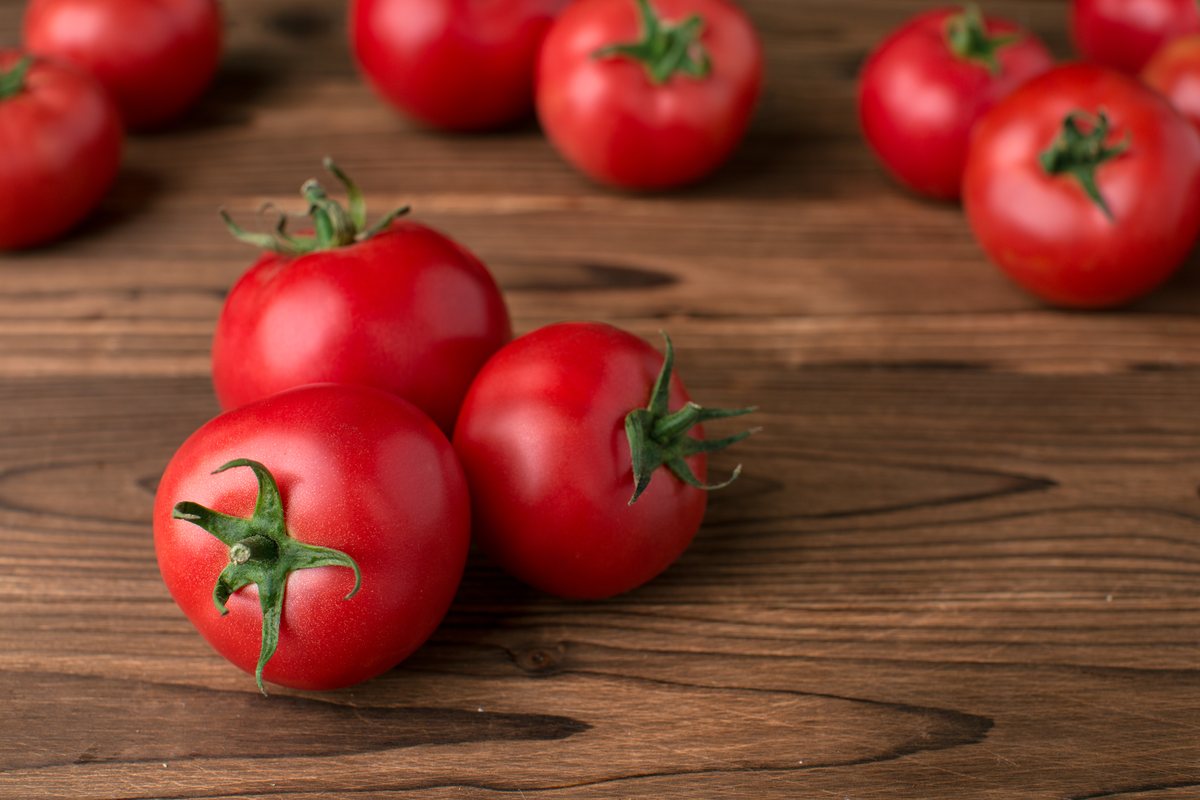
When the tomato came to Europe in the 16th century, it was planted as an ornamental plant - hardly anyone wanted to eat it.
The wild forms of the tomato grow in the Andes between Ecuador and Peru; it was domesticated in Mexico, where the Aztecs cultivated it. xitomatl Spanish conquerors brought it to Europe in the 16th century. Because it belongs to the nightshade family, like belladonna and mandrake, it was long considered suspect; it was called love apple or golden apple – Italian. Pomodoro - and pulled them in the garden.
Tomatoes were eaten in Italy and Spain from the 17th and 18th centuries onwards, but they didn't really become popular in Germany until the 20th century. Today, they are the most consumed vegetable in Germany, with around 30 kilos per person per year, including ketchup and tomato sauce. There are over ten thousand varieties – from cherry tomatoes to oxheart tomatoes.
To useWhat the tomato does for you
Tomatoes provide vitamin C, potassium, folate, vitamin K and especially Lycopene, Lycopene, the red carotenoid that comes almost exclusively from tomatoes in our diet, is a powerful antioxidant and has been the subject of research for decades.
Large observational studies link a high consumption of cooked tomato products with a lower risk of prostate cancer and cardiovascular disease; meta-analyses found slight improvements in blood pressure and LDL cholesterol. In a small study, daily consumption of tomato paste with olive oil over ten weeks reduced sunburn after UV exposure by about 40 percent – an internal form of sun protection, but one that does not replace sunscreen.
The form is crucial: Lycopene is located in the cell walls and is fat-soluble. Studies have shown that it is absorbed about four times better from tomato paste than from fresh tomatoes. This is one of the rare cases where processed and cooked is the healthier choice.
IngredientsThis is what's inside the tomato
Tomatoes are 94 percent water. They contain Lycopene, beta-carotene, vitamin C, potassium, folate, vitamin K, flavonoids such as naringenin in the peel and plenty of free Glutamate - that's why ripe and dried tomatoes taste so savory.
Green plant parts, stem base and unripe green fruits contain the alkaloid Tomatin (formerly equated with solanine), which in larger quantities can cause nausea and abdominal pain. Ripe tomatoes contain hardly any of it. Tomatoes also release histamine and contain biogenic amines.
Enhanced combinationsWhat makes the tomato stronger
Tomatoes need fat and heat for their lycopene - and salt, basil and time for their flavor.
Lycopene is fat-soluble - tomatoes always with oil, sugo with a good drizzle of olive oil.
Tomato paste and long-simmered sugo provide many times the amount of available lycopene.
The Italian Trinity.
Glutamate meets glutamate - tomato sauce with Parmesan or dried porcini mushrooms.
Salt the tomatoes and let them sit for ten minutes - the juice will become the dressing.
Tomato sauce makes legumes juicy - and its vitamin C helps with iron absorption.
What contradicts itselfIt's best to avoid these combinations.
Below 12 °C, tomatoes irretrievably lose their aroma - store at room temperature.
Tomatoes release ethylene, which causes cucumbers and lettuce to wilt quickly.
Tomato acid, and especially tomato sauce, can trigger heartburn.
Tomatoes release histamine and are among the most common triggers.
Remove the stem end; use unripe green tomatoes only in small quantities and cooked (e.g., as chutney).
The acid dissolves aluminium from pots and foils - use stainless steel, enamel or glass.
In the kitchenWhere she belongs
- SugoTomatoes, olive oil, garlic, simmer gently for one hour.
- CapreseTomatoes, mozzarella, basil, olive oil.
- gazpachoCold Spanish soup with cucumber, peppers, bread, and vinegar.
- ShakshukaEggs in a spicy tomato and bell pepper sauce.
- BruschettaToasted bread with tomatoes, garlic, and basil.
- Oven-roasted tomatoesHalved and slowly roasted with thyme, olive oil and salt.
- Tomato soupMade with canned tomatoes, onion, and a little cream.
- PanzanellaTuscan bread salad with tomatoes and red onion.
- Chili sin CarneBeans, tomatoes, cumin, chili.
- Green tomato chutneyUnripe tomatoes at the end of the season with onion and vinegar.
As a home remedySun protection from the inside
Daily tomato puree with olive oil
- From spring onwards, eat about 40g of tomato paste (two heaped tablespoons) daily.
- Always together with about a tablespoon of olive oil - for example in sugo, soup, spread or dressing.
- Maintain for at least eight to ten weeks before the sun becomes strong.
- Nevertheless, use sunscreen as usual and avoid the midday sun.
To support the skin's own protective mechanisms against UV radiation. In the study, skin redness after defined UV irradiation was reduced by approximately 40 percent after ten weeks – this corresponds to a sun protection factor of about 2 to 3.
40g of tomato paste per day. This is not a substitute for sunscreen, clothing, and shade. Do not consume this amount regularly if you have reflux, histamine intolerance, or kidney disease (potassium deficiency).
Ayurveda & TCMWhat the old systems say
Ayurveda
Tomatoes are not mentioned in classical Ayurvedic texts. Today, they are considered sour and heating: they can aggravate Pitta and, when raw, also Vata. Cooked, with cumin and ghee, they are a common ingredient in Indian cuisine.
Traditional Chinese Medicine
In Traditional Chinese Medicine (TCM), the tomato (Xi Hong ShiSweet and sour, and slightly cooling. It is said to clear heat, build up body fluids, strengthen the stomach, and soothe the liver – for thirst, dry mouth, and loss of appetite in summer.
Warning noticesWhen you should be careful
Please note
- Heartburn: Tomatoes and tomato sauces are common triggers.
- Histamine intolerance: Tomatoes release histamine.
- Green parts: Remove the stem end; do not eat the leaves and stems.
- Kidneys: Tomato paste is very high in potassium - consult your doctor about the amount consumed if you have kidney failure.
- Allergy: Rare, with cross-reaction to grass pollen and latex.
This page provides information and does not replace medical advice. If symptoms persist, please consult a doctor.
Related to the topicRead on and cook along!
Shop links lead to our product pages; it is indicated there if a partner is involved.
SourcesWhat is this based on?
- Gärtner C, Stahl W, Sies H. Lycopene is more bioavailable from tomato paste than from fresh tomatoes. American Journal of Clinical Nutrition 1997; 66(1): 116–122.
- Stahl W et al. Dietary tomato paste protects against ultraviolet light-induced erythema in humans. Journal of Nutrition 2001; 131(5): 1449–1451.
- Giovannucci E et al. Intake of carotenoids and retinol in relation to risk of prostate cancer. Journal of the National Cancer Institute 1995; 87(23): 1767–1776.
- Cheng HM et al. Tomato and lycopene supplementation and cardiovascular risk factors: a systematic review and meta-analysis. Atherosclerosis 2017; 257: 100–108.
- USDA FoodData Central: Tomatoes, red, ripe, raw.