
OriginThe chili that lost its fire
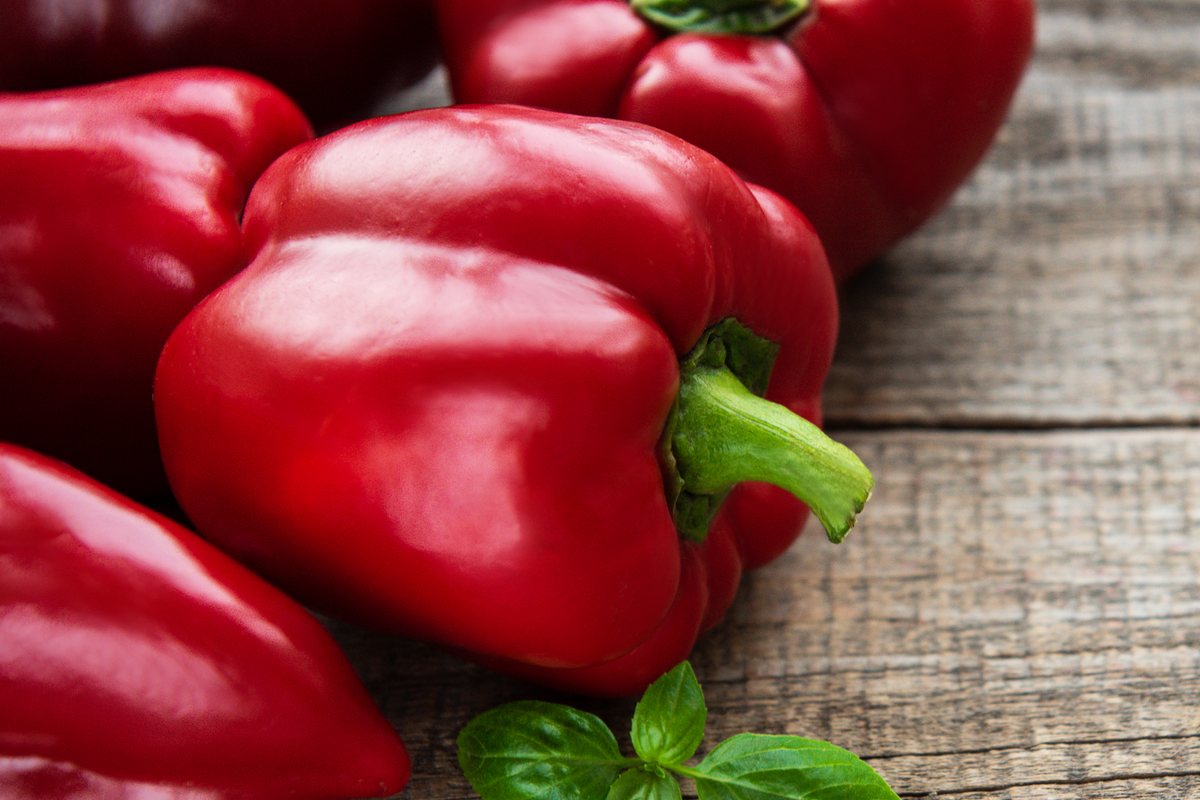
Paprika and chili peppers are the same plant. Hungarian gardeners have bred out its spiciness over centuries – and turned the result into a national spice.
Like chili peppers, bell peppers originated in Central and South America and arrived in Europe with Columbus. From Spain, the plant spread across the Balkans to Hungary, where it was initially considered a poor man's pepper in the 18th century. Then, breeders in Szeged and Kalocsa began selecting increasingly milder varieties – until the hot chili pepper had evolved into the sweet bell pepper and the sweet pepper powder. In 1937, the Hungarian Albert Szent-Györgyi received the Nobel Prize for being the first to isolate vitamin C from bell peppers.
Today, bell peppers are one of the world's most important vegetables: green (unripe), yellow, orange, and red (ripe), as pointed peppers, block peppers, and snack peppers. The dried, ground fruit is sold as a spice – sweet, delicate, medium-hot, and hot – and in Spain, it is smoked as Pimentón de la Vera, which gives chorizo its color.
To useWhat Paprika Does for You
Paprika is the The vitamin C bomb of the vegetable aisle. A red bell pepper provides twice as much vitamin C as an orange – and also contains beta-carotene, vitamin E, vitamin B6, and folic acid. Because bell peppers can be eaten raw, the vitamins are preserved; eating a piece of red bell pepper a day covers your daily requirement.
The red pigments—capsanthin, capsorubin, and other carotenoids—are powerful antioxidants and are associated with eye and skin health. Even mild paprika powder contains them in concentrated form, along with a trace of capsaicin, which stimulates digestion without causing a burning sensation. Frankly, these are observational findings and lab results, not proven cures—but they are the foundation of good nutrition.
And paprika is the spice that brings color without spiciness: Those who cannot tolerate spicy food get the taste of goulash, chorizo and harissa with sweet paprika - without the fire.
IngredientsThis is what's in the fruit
Red bell peppers Capsanthin and Capsorubin - red carotenoids, which are only found here –, in addition Beta-carotene, Lutein and zeaxanthin. Vitamin C The spiciness increases with ripening: green peppers have half as much as red ones. The spiciness is lacking because breeding has switched off the gene for capsaicin production.
It also contains vitamin E, B6, folic acid, potassium, and fiber – all at only 20 kilocalories per 100 grams. Paprika powder concentrates the pigments and, depending on the variety, contains 0 to 0.5 percent capsaicin (hot), as well as sugar, which caramelizes and burns when heated.
Enhanced combinationsWhat makes bell peppers stronger
Fresh bell peppers love fat and fire, the powder loves onions and liquid - and hates hot oil.
The Hungarian rule: Sauté onions in fat until translucent, remove the pot from the heat, stir in paprika, and immediately deglaze with liquid. Only then will it remain red and sweet.
Carotenoids are fat-soluble. Grilled, pickled bell peppers in oil – that's the form in which the body absorbs the pigments.
Smoked paprika powder and garlic: the basis of chorizo, patatas bravas and pulpo a la gallega.
Grilled peppers with tomato and a little vinegar - Peperonata, Ajvar, Lecho: the sweetness of the peppers needs acidity.
Stuffed peppers, shakshuka, peppers with feta cheese: fat and protein turn vegetables into a meal.
A touch of cayenne pepper with sweet paprika – that's how you get depth without fire.
What contradicts itselfIt's best to avoid these combinations.
The sugar in the powder burns in seconds – bitter and brown. Remove the pot from the heat, stir in the sugar, then deglaze the pan.
Unlike cumin, paprika doesn't benefit from roasting. Roast it only briefly, and only with liquid.
Dill, chervil, and tarragon are lost in the paprika flavor.
Many people find unripe green bell peppers difficult to eat - red and yellow ones are easier to digest, and peeled ones are even better.
People who react to tomatoes and eggplants often also react to bell peppers.
The colors fade, the aroma disappears. Store in a dark, cool place and consume within one year.
To which courtWhere she belongs
- goulashLots of onion, sweet paprika, caraway, beef - simmer for three hours.
- LetschoPeppers, tomatoes, onions, braised in oil - the Hungarian summer vegetables.
- AjvarGrilled peppers and eggplant, peeled, pureed with garlic and oil - Balkan spread.
- ShakshukaPeppers, tomatoes, cumin, poached eggs in it - served with bread.
- Patatas bravasPotatoes with a sauce made from pimentón, garlic, and tomato.
- Stuffed peppersWith rice, minced meat and tomato sauce - the classic.
- raw foodStrips with hummus or herb quark - the vitamin C portion.
- PeperonataPeppers braised in olive oil with onion and vinegar - served lukewarm with bread.
- Chorizo seasoningPimentón, garlic, salt - also for vegetarian versions.
- Paprika chickenChicken in paprika cream sauce with dumplings - Hungary's Sunday dinner.
As a home remedyRaw bell peppers as a source of vitamin C
Pepper strips for breakfast
- Wash a red bell pepper, remove the seeds, and cut into strips.
- Eat raw – for breakfast, as a snack, with a little olive oil or hummus.
- Do not cook if you are concerned about vitamin C - heat destroys up to half of it.
- One pod a day covers the daily requirement of vitamin C.
Cold season, iron absorption (vitamin C improves it), general health. Vitamin C doesn't get any easier – and cheaper than capsules.
One red bell pepper a day. The oil helps the carotenoids; the vitamin C only needs raw food.
Ayurveda & TCMWhat the old systems say
Ayurveda
Bell peppers only arrived in India with the Europeans and do not have a classic Ayurvedic role. As a mild chili, they are considered slightly warming, less Pitta-increasing than chili peppers – a vegetable suitable in moderation for all doshas.
Traditional Chinese Medicine
Not a classic materia medica plant. In the nutritional theory of Traditional Chinese Medicine (TCM), sweet peppers are classified as slightly warming, spleen-strengthening, and appetite-stimulating – a vegetable for the middle, milder than chili.
Warning noticesWhen you should be careful
Please note
- Nightshade plants: If you are intolerant to tomato, aubergine or potato, also try bell pepper.
- Green bell peppers: Difficult to digest for sensitive stomachs - peeled or reddish are more digestible.
- Allergy: Cross-reactions in pollen allergy sufferers (mugwort, birch) have been described.
- Powder: If it burns, it becomes bitter and contains acrylamide-like roasting compounds - never in hot fat.
- Mold: Old paprika powder can contain mold toxins - use within one year, pay attention to the origin.
This page provides information and does not replace medical advice. If symptoms persist, please consult a doctor.
Related to the topicRead on and cook along!
Shop links lead to our product pages; it is indicated there if a partner is involved.
SourcesWhat is this based on?
- USDA FoodData Central: Peppers, sweet, red, raw - Vitamin C 128-140 mg/100 g.
- Szent-Györgyi A: Nobel Prize in Physiology or Medicine 1937 - Discovery of vitamin C from paprika (nobelprize.org).
- German Nutrition Society (DGE): Reference values for vitamin C.
- Commission E: Monograph Capsicum fruit, Federal Gazette 1990 - on the Capsicum Group.
- Gernot Katzer's Spice Pages: Entry paprika - Varieties, spice levels, cuisine.


