
Physalis (Physalis peruviana)
OriginThe lanternberry from the Andes
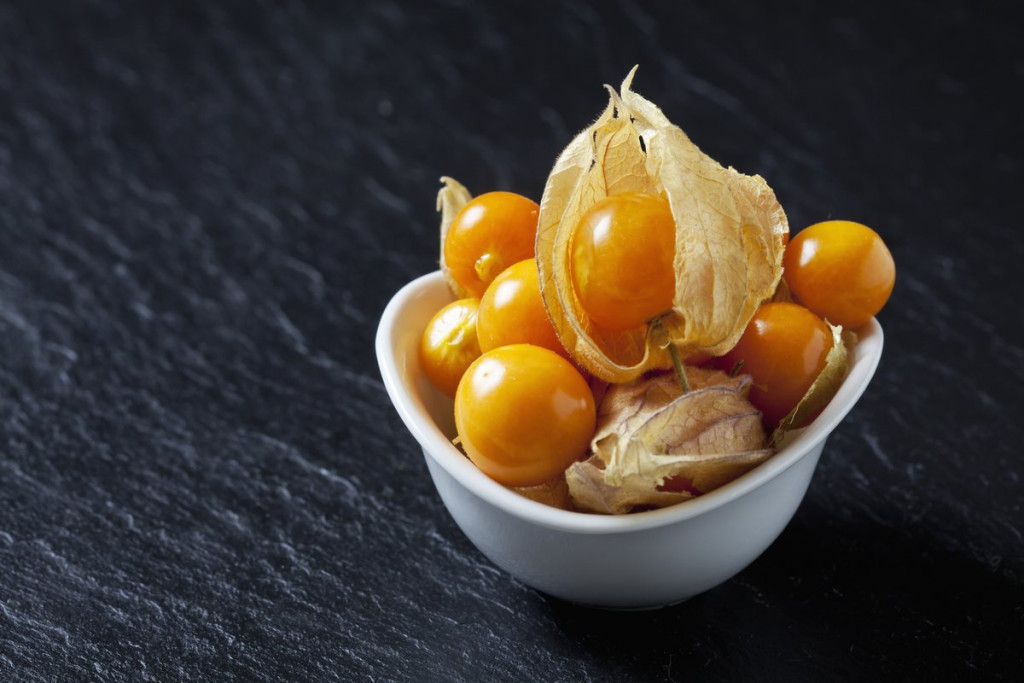
The name comes from Greek physalis - „Bladder“, after the inflated calyx around the fruit.
The physalis grows wild in the high valleys of the Andes, from Venezuela to Chile, and was harvested there long before the arrival of the Spanish. Portuguese and British sailors brought it to the Cape of Good Hope in the 18th century – hence the name. Cape gooseberry (English Cape GooseberryFrom South Africa, it spread to Australia, New Zealand, India and Hawaii, where it is called "Poha".
Today, Colombia is the largest producer and exporter, followed by Ecuador, Peru, and South Africa. The berries travel to Europe by plane or ship – they are well protected in the calyx and keep for an unusually long time. In Germany, physalis are occasionally grown in gardens or greenhouses, but there they only grow as an annual and ripen late in autumn.
To useWhat physalis does for you
According to the USDA, 100 g of physalis provide approximately 53 kcal, almost 2 g of protein, and 11 g of carbohydrates. The high content of... niacin (Vitamin B3, approximately 2.8 mg) and at Provitamin A in the form of Beta-carotene, which is what makes it orange. When Vitamin C The figures vary greatly: The USDA cites 11 mg, other analyses, depending on origin and ripeness, up to around 40 mg per 100 g.
In addition, they contain phosphorus, iron, potassium, dietary fiber rich in pectin, and polyphenols. The numerous tiny seeds contain an oil with linoleic acid and vitamin E. Research is particularly interested in the... Withanolides, These are plant-derived steroid substances that have shown anti-inflammatory and antioxidant effects in laboratory tests. However, there are currently very few studies on this in humans.
In everyday terms, this means: physalis is an aromatic, low-calorie fruit with carotenoids – but not a superfood with proven health benefits. A handful is a nice addition to the fruit bowl, but it doesn't replace local berries or vegetables.
IngredientsThis is what's in the physalis
Physalis berries contain water, fructose, fruit acids, pectin, beta-carotene and other carotenoids, vitamin C, the B vitamins thiamin and niacin, phosphorus, iron, and potassium. The seeds contain oil with linoleic acid, oleic acid, vitamin E, and phytosterols. They also contain polyphenols and withanolides such as physalines.
Withanolides are particularly abundant in the calyx, leaves, and unripe fruit. Therefore, as with tomatoes and potatoes, green parts of the plant should not be eaten.
Enhanced combinationsWhat makes physalis stronger
The physalis brings acid and color - fat helps the carotenoids, spices round off the aroma.
Carotenoids are better absorbed with fat.
A tangy splash of color in the muesli.
Fruity, creamy, tart.
Vitamin C helps with the absorption of plant-based iron.
Sweet and spicy as a chutney.
Dipped in dark chocolate.
What contradicts itselfIt's best to avoid these combinations.
The case is just packaging.
More bitter substances and withanolides.
Ornamental plant, not fruit.
A lot of sugar in a small space.
The berry is often somewhat sticky.
Cross-reaction possible.
In the kitchenWhere she belongs
- Pure as a snackPull back the calyx and pluck off the berry.
- fruit saladWith mango, kiwi and mint.
- Muesli toppingHalved on oatmeal.
- yogurtWith physalis and roasted nuts.
- Physalis chutneyWith onion, ginger and a little chili.
- jamWith lemon, gels well thanks to pectin.
- Chocolate physalisDipped in dark chocolate, the chalice serves as the handle.
- Leaf lettuceWith goat cheese and walnuts.
- compoteBriefly sautéed with vanilla.
- DriedLike raisins in trail mix.
As a home remedyPhysalis yogurt for a snack
Physalis yogurt
- Remove a handful of physalis (about 80 g) from the calyx and rinse briefly.
- Halve the berries and fold them into 150g of natural yogurt.
- Sprinkle a teaspoon of chopped walnuts or ground flaxseed over it.
- Add a pinch of cinnamon or vanilla if desired - sugar is usually not necessary.
A light, colorful snack. The fat from the yogurt and nuts helps the body absorb the beta-carotene from the berries, while the acidity adds a refreshing touch.
One serving a day is a good guideline. Use only ripe, orange-colored berries.
Ayurveda & TCMWhat the old systems say
Ayurveda
The physalis is not described in classical Ayurveda; in India it is eaten as "Rasbhari". According to current classification, the fruit is considered sweet and sour with a slightly cooling effect – balancing Vata, but suitable for Pitta in moderation.
Traditional Chinese Medicine
In traditional Chinese medicine, the related Chinese lantern plant (Jin Deng Long) is primarily known as a medicinal herb, described as cold and bitter, and used for sore throats and coughs. The edible physalis (Physalis) plays no traditional role; it would be considered cooling and moistening.
Warning noticesWhen you should be careful
Please note
- Only ripe ones: Do not eat the calyx, leaves and green, unripe berries - they contain more bitter substances and withanolides and can irritate the stomach.
- Chinese lantern plant: the ornamental plant Physalis alkekengi A plant with a bright red calyx is not a fruit. Its green parts contain bitter substances that can cause vomiting and diarrhea – warn children in the garden.
- Nightshade: Anyone who is allergic to tomatoes, peppers or potatoes should try them carefully.
- Dried fruit: Dried physalis are often sweetened or sulphured - read the ingredient list.
- Import: Wash berries thoroughly, discard any mold in the calyx.
This page provides information and does not replace medical advice. If symptoms persist, please consult a doctor.
Related to the topicRead on and cook along!
Shop links lead to our product pages; it is indicated there if a partner is involved.
SourcesWhat is this based on?
- Puente LA, Pinto-Muñoz CA, Castro ES, Cortés M. Physalis peruviana Linnaeus, the multiple properties of a highly functional fruit: A review. Food Research International 2011; 44(7): 1733–1740.
- Ramadan MF. Bioactive phytochemicals, nutritional value, and functional properties of cape gooseberry (Physalis peruviana): An overview. Food Research International 2011; 44(7): 1830–1836.
- USDA FoodData Central: Groundcherries, (cape-gooseberries or poha), raw.
- Poison Control Center, University Hospital Bonn: Chinese lantern flower (Physalis alkekengi).


