
Lemon (Citrus limon)
OriginThe fruit that defeated scurvy
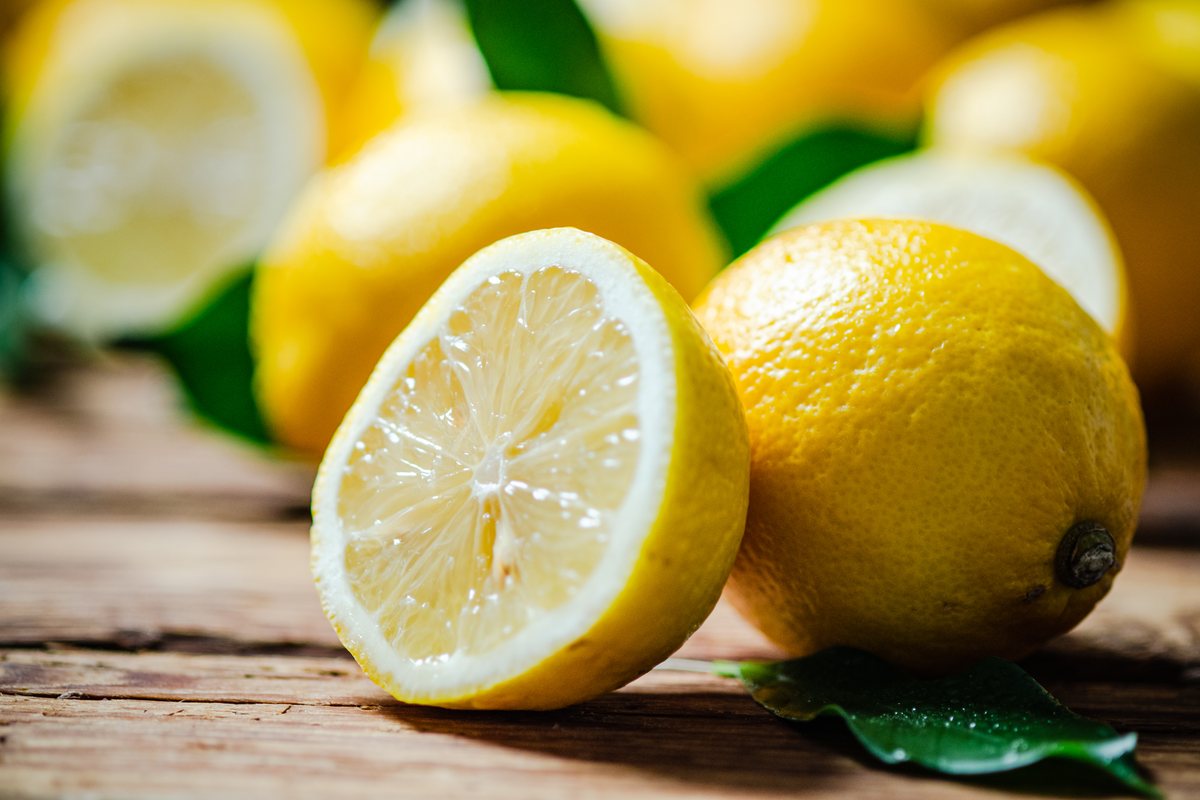
In 1747, the ship's doctor James Lind gave lemons and oranges to sailors suffering from scurvy - after six days they were fit for duty again.
The lemon is not a wild plant, but an ancient hybrid: genetic analyses show bitter orange and citron as its parents. It originated in the region between northeastern India and Myanmar, came to the Arab world via Persia, and was brought to Sicily and Spain by the Arabs. In medieval Central Europe, it was a luxury afforded only by nobility and apothecaries.
Lemons became famous at sea. In 1747, the Scottish physician James Lind conducted one of the first controlled experiments in medical history: of twelve sailors suffering from scurvy, only two who received citrus fruits recovered. Decades later, the Royal Navy introduced lemon juice as a mandatory ration – British sailors are still called "Limeys" to this day. Today, lemons come primarily from Spain, Italy, Turkey, Argentina, and South Africa.
To useWhat the lemon does for you
The lemon is a good source of vitamin C With around 50 mg per 100 g of pulp, lemons aren't the best source of vitamin C: bell peppers, broccoli, blackcurrants, and sea buckthorn have more. Vitamin C is essential for the immune system, collagen production, and iron absorption. And that's precisely where lemons excel: a squeeze of lemon juice over lentils, spinach, or oatmeal significantly improves the absorption of plant-based iron.
The research on the common cold is frankly sobering. A large Cochrane review found that regularly taken vitamin C shortens the duration of colds in adults by about eight percent, but does not prevent them in most people – and it is hardly effective when taken at the onset of a cold. Nevertheless, hot lemon water is beneficial: the warmth, the liquid, and the taste are soothing, not placebos.
Less well known is the citric acidLemon is converted into citrate in the body, and citrate in urine inhibits the formation of calcium oxalate kidney stones. Urologists therefore sometimes recommend lemon water to people prone to kidney stones – as a supplement, not as a replacement for treatment.
IngredientsThis is what's inside a lemon
The juice consists mainly of water and other ingredients. citric acid (approximately 5 to 6 percent), vitamin C, some potassium, and flavonoids such as hesperidin and eriocitrin. However, most of the flavonoids are not found in the juice, but in the white inner skin and the peel.
The yellow peel contains the essential oil Lemons contain limonene as their main component, along with citral – hence the fragrance. The peel and oil also contain furocoumarins, which can make the skin photosensitive. Conventional lemons are often treated with wax and preservatives like imazalil after harvesting – that's why the label says "peel not suitable for consumption." Always buy "untreated" lemons for zest.
Enhanced combinationsWhat makes the lemon stronger
Lemon enhances almost everything – it's the salt of acidity. The crucial factor is when it's added to the dish.
Vitamin C significantly improves the absorption of plant-based iron - lemon over lentil salad, hummus, spinach.
The basic formula of every Mediterranean sauce: acid, fat, salt - over fish, vegetables, salad.
Vitamin C and flavoring are heat-sensitive - add lemon juice and zest just before serving.
Hot lemon with slices of ginger and honey - do not pour on boiling water to preserve the honey and vitamin C.
Lemon cake, lemon curd, tarte au citron - the acid prevents sweet things from tasting cloying.
Gremolata: Lemon zest, parsley, garlic - served over ossobuco, fish, or vegetables.
What contradicts itselfIt's best to avoid these combinations.
Lemon juice attacks tooth enamel. Drink it diluted, with a straw, then water – and don't brush your teeth for 30 minutes.
Morning lemon water is more likely to trigger reflux than to help it.
Acid causes milk and cream to curdle - this is desirable in paneer, but undesirable in sauce.
The white inner skin is bitter; only rub off the yellow part.
Furocoumarins in the peel and juice make the skin sensitive to light - this is particularly pronounced in limes.
Do not use waxed lemons containing preservatives for zest or lemonade with the peel.
In the kitchenWhere she belongs
- Lemon and olive oil dressingJuice, zest, olive oil, salt, pepper - for almost any salad.
- GremolataLemon zest, parsley, garlic over braised meat and fish.
- Salted lemonsMoroccan: Lemons fermented with salt in a glass jar, soft and spicy after four weeks.
- Lemon chickenBaked in the oven with halved lemons, thyme and garlic.
- HummusChickpeas, tahini, plenty of lemon - iron and vitamin C in one bowl.
- Lemon CurdLemon, sugar, butter, eggs - for tarts and breakfast.
- Lemon risottoFinally, add zest, juice, and Parmesan cheese.
- lemonadeJuice, water, a little sugar, mint.
- Cured fishCeviche: raw fish cooked in lemon or lime juice.
- Lemon yogurt sauceYogurt, zest, salt, dill - to go with salmon and vegetables.
As a home remedyHot lemon, done right
Hot lemon with ginger
- Squeeze the juice of half a lemon into a cup, add 3 to 4 thin slices of fresh ginger.
- Pour on water that is about 60°C warm - so not boiling, but slightly cooled.
- Stir in a teaspoon of honey.
- Drink slowly in small sips.
For a scratchy throat and the onset of a cold: warmth, fluids, some vitamin C, ginger for warmth, honey for soothing the throat. A comfort, not a miracle cure.
Two to three cups a day. Use less lemon if you have a sensitive stomach or heartburn. Do not give honey to children under one year old. If you want to use lemon water to prevent kidney stones, consult a urologist.
Ayurveda & TCMWhat the old systems say
Ayurveda
The lemon (NimbukaLemon is considered sour, light, and warming for digestion in Ayurveda: it awakens Agni, the digestive fire, calms Vata and, in moderation, Kapha, but can increase Pitta. Warm water with lemon in the morning is a classic Ayurvedic practice.
Traditional Chinese Medicine
In Traditional Chinese Medicine (TCM), the lemon (Ning MengIt is sour and cooling. It is said to produce body fluids, quench thirst, dispel summer heat and harmonize the stomach - traditionally also used against nausea during pregnancy.
Warning noticesWhen you should be careful
Please note
- Tooth enamel: Drink acid diluted, then water, do not clean immediately.
- Heartburn: It can cause reflux and irritate the stomach lining.
- Skin and sun: Juice or peel on the skin plus sun exposure can cause burns and spots (phototoxicity).
- Peel: Use only untreated fruit for grating.
- Allergy: rare, mostly against components of the peel oil (limonene).
This page provides information and does not replace medical advice. If symptoms persist, please consult a doctor.
Related to the topicRead on and cook along!
Shop links lead to our product pages; it is indicated there if a partner is involved.
SourcesWhat is this based on?
- Hemilä H, Chalker E. Vitamin C for preventing and treating the common cold. Cochrane Database of Systematic Reviews 2013; (1): CD000980.
- Carr AC, Maggini S. Vitamin C and immune function. Nutrients 2017; 9(11): 1211.
- Penniston KL et al. Quantitative assessment of citric acid in lemon juice, lime juice, and commercially-available fruit juice products. Journal of Endourology 2008; 22(3): 567–570.
- Lind J. A Treatise of the Scurvy. Edinburgh 1753.
- USDA FoodData Central: Lemons, raw, without peel.


