Bulgur (Triticum durum)
OriginThe store grain of the Orient
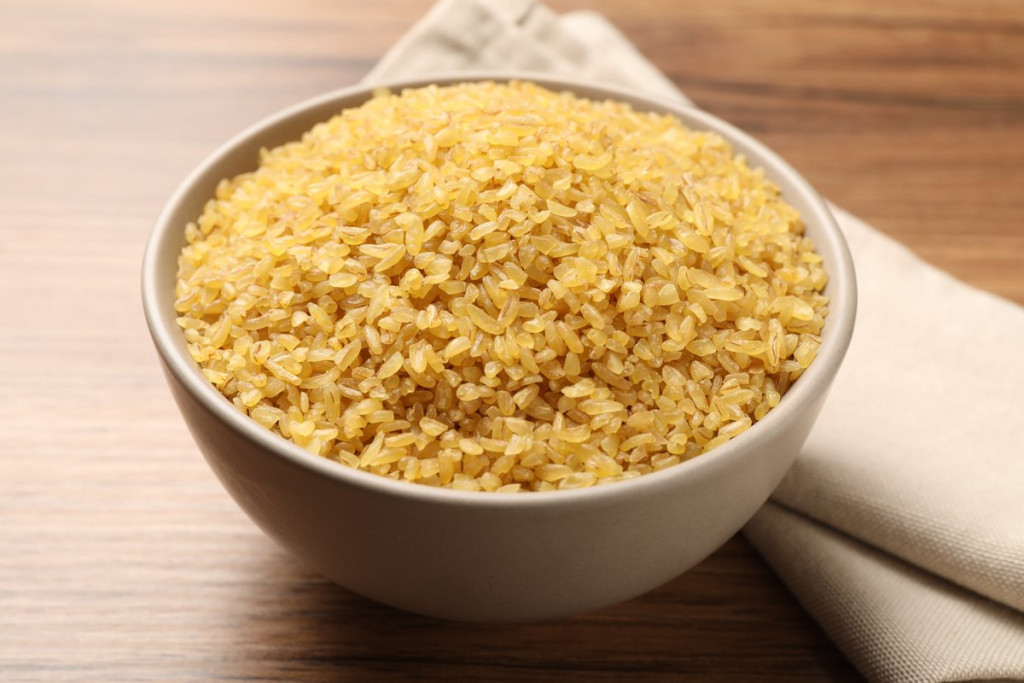
The name comes from Persian via Turkish and means something like "crushed grain".
Bulgur has been produced in the Middle East for millennia. After the harvest, families cooked the wheat in large kettles, spread it out to dry on flat roofs, and then ground it in stone mills. Prepared in this way, the grain did not spoil, was protected from pests, and cooked in just a few minutes during the winter. In Anatolian villages, bulgur is still made communally in late summer.
In Turkey, Syria, Lebanon, and Armenia, bulgur is an everyday food: as pilaf, as a filling, in köfte and kibbeh, and especially in salads such as Taboulé and Kısır. It came to Germany with people from Turkey and the Middle East. Today, the durum wheat for our bulgur comes predominantly from Turkey, Canada, and Southern Europe, with some also coming from German cultivation.
To useWhat bulgur does for you
According to USDA data, 100g of dry bulgur provides approximately 340 kcal, 12g of protein, and about 12g of carbohydrates. Dietary fiber, plus approximately 160 mg magnesium, It contains 2.5 mg of iron, zinc, B vitamins, and a particularly high amount of manganese. When cooked, 100 g contains only about 80 kcal and 4.5 g of fiber – more than ten times as much as cooked white rice.
Bulgur has a low glycemic indexMeasurements show a blood sugar level of 46 to 48, while white rice usually rises significantly above 60. A 1986 study already showed that bulgur causes a lower rise in blood sugar than bread made from the same wheat. The reason is the pre-cooking process: the starch gelatinizes and then contracts again during drying, so it is digested more slowly. Large observational studies link a high whole-grain diet with fewer cardiovascular diseases and type 2 diabetes; bulgur is an easy way to achieve this.
Bulgur is wheat. It contains gluten It is not suitable for people with celiac disease or wheat allergy. It loses very little liquid during cooking because it absorbs all the water.
IngredientsThis is what's in bulgur
Bulgur contains starch, wheat protein (including gluten), dietary fiber - mainly insoluble cellulose and arabinoxylans from the bran -, phenolic acids such as ferulic acid, lignans, carotenoids such as lutein, as well as magnesium, manganese, iron, zinc, phosphorus, potassium, selenium and vitamins B1, B3, B6 and folate.
During precooking, some water-soluble vitamins and minerals migrate from the bran into the grain's interior. While some of the outer bran is removed during hulling, bulgur is still generally classified as a whole grain. Coarse bulgur (pilavlık) is suitable for warm dishes, fine (köftelik) for salads and köfte.
Enhanced combinationsWhat makes bulgur stronger
Bulgur adapts to any flavor - herbs, lemon and legumes make it a complete meal.
The base for tabbouleh.
It helps the body absorb plant-based iron.
Complements each other to form a complete protein profile.
Provides flavor and fat-soluble carotenoids.
This is how you season Kısır.
Fresh and crisp in the salad.
What contradicts itselfIt's best to avoid these combinations.
Bulgur is wheat and contains gluten.
Couscous is rolled semolina, not whole grain.
Measure the water precisely, then everything will stay in.
Cool cooked grains quickly.
Wheat contains fructans.
Often contains a lot of salt and flavoring.
In the kitchenWhere he belongs
- TabouléLebanese: lots of parsley, little bulgur.
- KısırTurkish bulgur salad with bell pepper paste.
- Bulgur pilafWith tomato and onion.
- KofteVegetarian as Mercimek köftesi with lentils.
- KibbehBulgur dumplings from the Levant.
- Stuffed peppersBulgur instead of rice.
- SoupsA spoonful binds and satisfies.
- Breakfast porridgeWith milk, cinnamon and fruit.
- bowlWith roasted vegetables and yogurt.
- PattiesShaped with vegetables and egg.
As a home remedyBulgur as a gentle way to feel full
Warm bulgur and herb porridge
- Briefly toast 50g of coarse bulgur in a pot without fat.
- Pour in 200 ml of vegetable broth, bring to a boil, then cover and let simmer for 15 minutes over low heat.
- Stir in a handful of chopped parsley, a squeeze of lemon, and a teaspoon of olive oil.
- Eat a hot meal and drink a glass of water with it.
As a fiber-rich side dish that keeps you feeling full for longer and has a more stable blood sugar level than white bread or white rice. The fiber supports regular digestion.
50 to 70 g of dry bulgur per meal. Those who currently eat little whole grain should increase their intake gradually and drink plenty of fluids.
Ayurveda & TCMWhat the old systems say
Ayurveda
Bulgur is not specifically described in classical Ayurveda. Wheat is considered sweet, heavy, and cooling, nourishing for Vata and Pitta; pre-cooked bulgur is classified as lighter than bread and is recommended for Kapha with warming spices such as cumin.
Traditional Chinese Medicine
In Traditional Chinese Medicine (TCM), wheat is considered sweet and cooling and is said to calm the heart and mind. Bulgur itself is not classically described; in Western TCM nutritional theory, the cooked grain is considered easily digestible and strengthening for the digestive system.
Warning noticesWhen you should be careful
Please note
- Celiac disease: Bulgur contains gluten and is not suitable.
- Wheat allergy: Even precooked wheat can trigger reactions.
- Irritable bowel syndrome: Fructans from wheat can cause bloating - test small portions.
- Storage: Cool cooked bulgur quickly and store in the refrigerator for a maximum of two to three days.
- Supplies: Store in a dry and airtight container; discard if infested with moths or if it smells musty.
This page provides information and does not replace medical advice. If symptoms persist, please consult a doctor.
Related to the topicRead on and cook along!
Shop links lead to our product pages; it is indicated there if a partner is involved.
SourcesWhat is this based on?
- Jenkins DJ et al. Low glycemic response to traditionally processed wheat and rye products: bulgur and pumpernickel bread. American Journal of Clinical Nutrition 1986; 43.
- Atkinson FS, Brand-Miller JC, Foster-Powell K, Buyken AE, Goletzke J. International tables of glycemic index and glycemic load values 2021: a systematic review. American Journal of Clinical Nutrition 2021; 114(5): 1625–1632.
- Aune D et al. Whole grain consumption and risk of cardiovascular disease, cancer, and all cause and cause specific mortality: systematic review and dose-response meta-analysis of prospective studies. BMJ 2016; 353: i2716.
- USDA FoodData Central: Bulgur, dry and Bulgur, cooked.
- German Celiac Society: Cereals containing gluten.